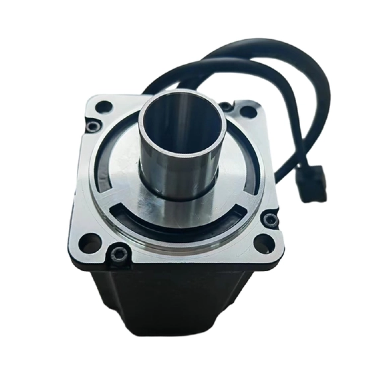
Energy consumption is one of the most significant considerations for modern engineering, particularly in industries such as manufacturing, automation, and transportation. The demand for more efficient, sustainable solutions is continuously growing. One promising technology that is helping to address these needs is the 750W hollow-axis motor with brakes. These motors are known for their energy efficiency, compact design, and integration capabilities, making them an ideal choice for various applications. In this article, we will explore how these motors work, their energy-saving benefits, and how they can be optimized to reduce energy consumption in different industrial settings.
What is a 750W Hollow-Axis Motor with Brakes?
To understand how 750W hollow-axis motors work, let’s first break down the components and terminology.
750W Motor Power Rating: The term “750W” refers to the motor's power output. A 750W motor can provide up to 750 watts of mechanical power. This level of power is often used in mid-range applications, balancing performance and energy efficiency.
Hollow-Axis Design: The hollow-axis design refers to a motor with a hollow shaft, which allows for the passing of cables, fluids, or other components through the center of the motor. This feature is particularly useful in applications where space is limited or where the motor is part of a more complex mechanical system.
Brakes: The inclusion of brakes in the motor design is a key feature, as it enables precise control over the motor’s operation, particularly when rapid stopping or holding the motor in a fixed position is required. Brakes can prevent the motor from spinning freely when not in use and also help with energy savings by controlling the deceleration process.
The 750W hollow-axis motor with brakes is typically used in applications that require both power and precision, such as robotics, conveyor systems, or industrial machinery. The combination of these features makes the motor highly versatile, energy-efficient, and well-suited for reducing energy consumption.
Energy Efficiency and Consumption in Industrial Motors
Motors are integral components in almost all modern machines and systems. Whether in manufacturing, automotive systems, or other industries, motors are responsible for converting electrical energy into mechanical energy to perform work. However, this conversion process is rarely 100% efficient, and some energy is inevitably lost in the form of heat, friction, and other inefficiencies.
The energy efficiency of a motor is defined as the ratio of the mechanical output power to the electrical input power. In simpler terms, it tells us how much of the electrical energy is converted into useful mechanical work. The rest is lost primarily as heat.
With the growing emphasis on sustainability and reducing carbon footprints, improving energy efficiency in motors has become a major priority. In the case of a 750W hollow-axis motor with brakes, its design and operational characteristics can play a vital role in reducing energy waste and improving overall efficiency.
How Hollow-Axis Motors Help Reduce Energy Consumption
The hollow-axis design of these motors provides several advantages that contribute to energy optimization:
Reduced Weight and Size: Hollow-axis motors are generally more compact and lighter than traditional motors, which reduces the overall weight of the system. This can result in lower energy requirements for the movement and operation of machines and vehicles, such as in robotics or automated systems.
Better Integration: The hollow-axis design allows for easier integration into systems that require additional components to pass through the center of the motor, such as cables or fluid lines. By allowing the motor to integrate smoothly into the design, the system can be more compact and optimized for better performance, reducing the need for additional power.
Lower Mechanical Losses: Hollow-axis motors often experience lower mechanical losses because the design reduces frictional forces within the motor. When friction is minimized, less energy is wasted, and the motor becomes more efficient in its power conversion.
Improved Torque Density: Hollow-axis motors can offer higher torque density, meaning they can deliver more torque for the same amount of power input. This can be especially useful in applications that require high precision or heavy lifting, improving both energy efficiency and performance.
Role of Brakes in Energy Optimization
Brakes play a critical role in energy consumption, especially when it comes to controlling motion and preventing energy waste. In the case of 750W hollow-axis motors, the brakes serve multiple purposes that contribute to energy optimization:
Regenerative Braking: Some hollow-axis motors are equipped with regenerative braking systems. In this setup, when the motor decelerates, it converts the kinetic energy of the moving system back into electrical energy, which can be fed back into the power supply. This process reduces the overall energy demand from the grid and helps recover some of the energy that would otherwise be lost during braking.
Precise Control of Stopping and Holding: Brakes allow for the precise control of stopping and holding positions, which is particularly valuable in applications like robotics and conveyor systems. By reducing unnecessary motion or downtime, energy usage can be minimized, resulting in more efficient operation.
Reduced Heat Generation: Unlike traditional systems that rely on friction-based braking, modern brakes in motors are designed to reduce heat generation during braking. This helps to improve the overall thermal efficiency of the system, as less energy is wasted as heat.
Energy Savings in Low-Load Conditions: In applications where the motor operates under low-load conditions, brakes can prevent unnecessary motor activity. When a motor is not needed to operate continuously, the brake can hold it in place, reducing the need for ongoing energy consumption.
How to Optimize the Energy Consumption of 750W Hollow-Axis Motors
While 750W hollow-axis motors are already designed to be energy-efficient, there are additional steps that can be taken to optimize energy consumption further. These include:
Using Variable Frequency Drives (VFDs): A variable frequency drive can be used in conjunction with the motor to adjust its speed and torque based on the specific requirements of the task at hand. By controlling the motor’s operating conditions in real-time, unnecessary power consumption can be avoided, leading to greater efficiency.
Selecting the Right Motor Size: Choosing a motor with the right power rating is crucial for optimal energy use. A 750W motor is ideal for medium-power applications, but selecting the appropriate size for your specific needs can prevent overloading and reduce wasted energy.
Maintenance and Lubrication: Ensuring that the motor and its components are well-maintained and properly lubricated can reduce mechanical losses. Regular inspections and maintenance can ensure that the motor runs smoothly and efficiently, extending its lifespan and preventing unexpected energy losses.
Optimizing Load Conditions: Ensuring that the motor operates within its optimal load range can prevent energy waste. Operating the motor under high load conditions can lead to inefficiencies, while running it under low load conditions can waste energy. Therefore, ensuring the motor is matched to the system's demands is critical.
Implementing Energy Recovery Systems: As mentioned earlier, regenerative braking systems can recover energy during deceleration. Similarly, using energy storage systems such as capacitors or batteries can help capture and store energy that can be reused later, reducing overall energy consumption.
Upgrading to Smart Controllers: Integrating smart controllers that monitor the motor’s operation in real-time can help optimize energy use. These controllers can adjust motor settings based on workload fluctuations, ensuring that the motor operates only when necessary and at the most efficient speed and power level.
Designing Efficient Systems Around the Motor: Energy consumption is not solely dependent on the motor itself but also on the overall design of the system in which it is used. By optimizing the surrounding systems, including gears, drives, and sensors, you can reduce the overall energy consumption of the entire system.
Conclusion
The 750W hollow-axis motor with brakes is an excellent choice for applications that require both precision and energy efficiency. By taking advantage of the motor’s compact design, high torque density, and braking capabilities, significant energy savings can be achieved in a variety of industries, from automation to robotics and beyond.
However, optimizing the motor's energy consumption is not just about the motor itself but also about integrating it into a well-designed system. By selecting the right components, maintaining the motor properly, and implementing advanced control systems, the energy consumption of a 750W hollow-axis motor can be further optimized, contributing to lower operating costs and a more sustainable future.
In conclusion, the combination of the 750W hollow-axis motor and brakes represents a powerful and energy-efficient solution that can make a significant impact on reducing energy consumption in modern industrial applications. With continued innovation and optimization, these motors will likely play an even more central role in sustainable engineering practices moving forward.