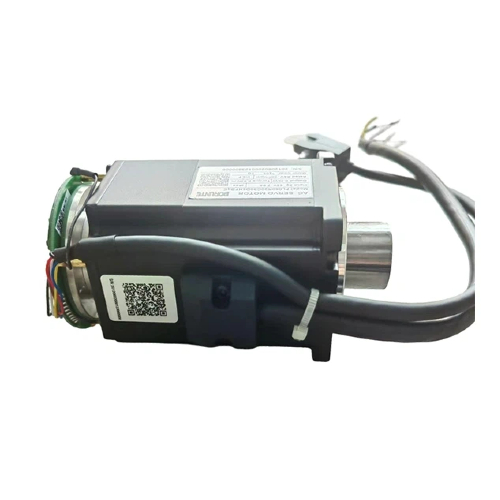
In industrial settings, motors are critical to the operation of many systems, from manufacturing lines to robotics, automation, and more. However, for these systems to run efficiently and reliably, the motors themselves must be capable of withstanding harsh operating conditions, reducing energy consumption, and ensuring that they remain operational for long periods without failure. The solution to these challenges often lies in the technology behind fully enclosed self-cooling motors. These motors are designed to operate without the need for external cooling mechanisms, such as fans or coolants, providing a range of benefits for industries looking for efficiency and longevity.
In this article, we explore the advantages of fully enclosed self-cooling motors, from energy efficiency and operational cost reduction to enhanced durability and versatility. These benefits are essential for industries aiming to improve performance, reduce costs, and create more sustainable production environments.
1. What is a Fully Enclosed Self-Cooling Motor?
Definition and Functionality
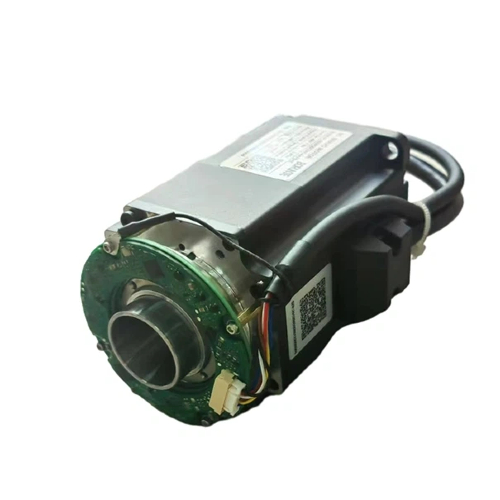
A fully enclosed self-cooling motor is an electric motor equipped with an integrated cooling mechanism that allows it to regulate its temperature internally without the need for external cooling systems like fans or heat exchangers. The key feature of this type of motor is its enclosed casing, which traps the heat generated during operation, and uses specially designed components or materials to dissipate this heat efficiently.
The cooling mechanism of a fully enclosed self-cooling motor typically includes efficient heat distribution channels, thermal management materials, and built-in internal ventilation to prevent overheating. The self-cooling design allows the motor to maintain an optimal operating temperature, improving its efficiency and extending its lifespan.
Key Features of Fully Enclosed Self-Cooling Motors
Enclosed Casing: A robust outer shell that prevents contaminants such as dust, dirt, and moisture from damaging the motor’s internal components, which is essential for protecting the motor in industrial environments.
Built-in Cooling Mechanism: The motor’s design allows it to dissipate heat internally, ensuring consistent performance even in demanding conditions.
Energy-Efficient: Unlike traditional motors that rely on external cooling, fully enclosed self-cooling motors can operate effectively at lower temperatures, reducing energy consumption.
These motors are particularly well-suited for industrial applications that require long periods of continuous operation, where motor failure due to overheating would be costly and disruptive.
2. Energy Efficiency and Reduced Operational Costs
Efficient Cooling Without External Systems
One of the most significant advantages of fully enclosed self-cooling motors is their ability to regulate temperature without relying on external cooling systems. Traditional motors often require auxiliary fans, pumps, or air-conditioning systems to dissipate heat, all of which consume additional energy. With a fully enclosed self-cooling motor, the internal cooling mechanism ensures that the motor maintains its optimal temperature without requiring extra power for cooling purposes.
This results in a more efficient use of energy, as the motor only consumes power to perform its core function—motion—rather than diverting energy to cooling systems. This efficiency is especially important in industries where motors run for extended hours, as it leads to significant reductions in overall energy costs.
Feature | Traditional Motor | Fully Enclosed Self-Cooling Motor |
Cooling Requirement | External cooling systems (fans, pumps) | No external cooling needed |
Energy Consumption for Cooling | High (due to external fans/pumps) | Low (internal cooling mechanism) |
Maintenance Costs | High (cooling components require maintenance) | Low (fewer components to maintain) |
Efficiency | Decreases with added cooling requirements | High efficiency with built-in cooling |
As shown in the table above, fully enclosed self-cooling motors offer a more energy-efficient solution compared to traditional motors, which are burdened with additional cooling demands. The reduced need for energy-consuming components leads to substantial savings over time.
Reduced Maintenance Needs
In addition to reducing energy consumption, fully enclosed self-cooling motors also minimize the need for maintenance. External cooling systems are prone to wear and require regular servicing to ensure their efficiency. For example, fans, pumps, or refrigerant systems need to be checked periodically for leaks, malfunctions, or blockages.
By eliminating the need for such systems, fully enclosed self-cooling motors reduce the likelihood of failure due to cooling system issues. This translates to fewer breakdowns and less downtime, which is particularly valuable in high-uptime industries. Less maintenance means more time for production, enhancing overall efficiency and saving costs.
3. Enhanced Durability and Longevity
Protection Against Harsh Environments
Fully enclosed self-cooling motors are specifically designed to withstand the harsh conditions commonly found in industrial environments. The motor’s enclosure protects it from dust, dirt, moisture, and other environmental hazards that can lead to premature wear and tear. This protection is essential in industries where motors are exposed to a variety of contaminants that could damage open or less robust designs.
Dust and Debris: The sealed enclosure ensures that dust, dirt, and other particles cannot enter the motor, preventing blockages and protecting internal components from abrasion.
Moisture Resistance: The enclosed design also protects the motor from moisture, preventing electrical short circuits or corrosion that can occur in exposed motors.
Increased Lifespan
Because fully enclosed self-cooling motors are less vulnerable to contaminants and environmental damage, they tend to last longer than traditional motors. The absence of external cooling components, which are prone to failure, also reduces the risk of motor breakdowns due to cooling system malfunctions.
The consistent internal cooling mechanism also helps to manage thermal stress, which can be a leading cause of motor failure in high-demand applications. By keeping the motor within its optimal temperature range, self-cooling motors avoid overheating, reducing the likelihood of component degradation and extending the motor’s useful life.
Aspect | Fully Enclosed Self-Cooling Motor | Conventional Motor |
Protection from Moisture | Excellent (fully enclosed) | Poor (susceptible to water) |
Resistance to Dust | High (sealed design) | Low (exposed components) |
Lifespan | Longer (due to reduced wear and thermal stress) | Shorter (prone to overheating) |
4. Improved Performance and Reliability
Consistent Temperature Control
Maintaining a consistent temperature is critical for motor performance, especially in environments where motors operate at varying loads. Fully enclosed self-cooling motors provide excellent temperature regulation, ensuring that the motor does not overheat or operate inefficiently.
By keeping the motor within its optimal temperature range, these motors maintain high levels of efficiency and consistent output. This is particularly important in precision-driven tasks, such as those found in robotics, where even minor temperature fluctuations can affect performance.
Stable Performance: The internal cooling mechanism stabilizes temperature fluctuations, ensuring the motor operates at peak efficiency.
Adaptability to Continuous Operation: These motors are ideal for environments that require 24/7 operation, as they can handle prolonged use without the risk of overheating.
Reliability in High-Demand Operations
Fully enclosed self-cooling motors are designed to operate reliably under high-demand conditions, making them ideal for industries where continuous operation is critical. Whether it’s a production line, robotic arms, or automation equipment, the ability of these motors to manage their own cooling ensures that they remain operational even during extended use.
The self-cooling feature also prevents thermal damage, making these motors a dependable choice for high-performance machinery that operates in tough environments.
5. Environmental Benefits
Eco-Friendly Operations
The fully enclosed self-cooling motor is an environmentally friendly solution for industries looking to reduce their carbon footprint. These motors do not require external cooling systems that often rely on energy-intensive components like fans or refrigerants, which consume additional energy and contribute to pollution.
By reducing energy consumption, self-cooling motors help companies meet sustainability goals and reduce their environmental impact. Furthermore, without external cooling systems, the overall environmental footprint of the equipment is smaller, making these motors a more eco-conscious choice for industrial applications.
Sustainable Manufacturing
With growing emphasis on sustainability, industries are looking for solutions that not only reduce energy consumption but also minimize waste and the use of harmful chemicals. Fully enclosed self-cooling motors contribute to these goals by eliminating the need for cooling fluids, such as refrigerants, which are often harmful to the environment.
These motors also reduce the overall demand for energy by operating more efficiently and with less reliance on auxiliary equipment, making them an excellent choice for businesses aiming to integrate more sustainable practices into their manufacturing processes.
6. Versatility in Industrial Applications
Wide Range of Use Cases
Fully enclosed self-cooling motors are incredibly versatile and can be used across a variety of industrial sectors. Their robust design and efficient cooling system make them ideal for environments that require continuous operation and high reliability.
Industry | Application Areas |
Automation | Conveyor systems, assembly lines, robotics |
Manufacturing | CNC machines, industrial automation |
Robotics | Robotic arms, drones, automated guides |
Aerospace | Lightweight and efficient propulsion systems |
These motors are especially useful in industries that require precision, like robotics, automation, and manufacturing, where the motor must function flawlessly without external intervention.
Ideal for High-Powered Equipment
Due to their self-cooling capability and robust design, fully enclosed self-cooling motors are suitable for high-powered industrial applications. Whether it’s large machines or continuous operation systems, these motors provide a reliable solution that doesn’t require external cooling support.
7. Conclusion
At Tiger Motion Control Co., Ltd., we are committed to providing fully enclosed self-cooling motors that offer substantial advantages for industrial applications. These motors enhance energy efficiency, reduce operational costs, and increase the durability of your equipment. Designed to operate in even the harshest environments, our self-cooling motors eliminate the need for external cooling systems, offering a more energy-efficient and cost-effective solution.
Ideal for industries aiming to boost performance, minimize maintenance, and ensure long-term reliability, our fully enclosed self-cooling motors are engineered to withstand high-demand applications. By choosing our motors, you not only improve operational efficiency but also contribute to a more sustainable industrial future, reducing environmental impact.
If you're interested in exploring how our self-cooling motors can benefit your operations, we encourage you to reach out to us for more information. Our team is ready to assist you with finding the perfect solution tailored to your needs. Let us help you optimize your industrial processes with cutting-edge motor technology.
8. FAQ
1. What makes a fully enclosed self-cooling motor different from traditional motors?
A fully enclosed self-cooling motor has an internal cooling mechanism that eliminates the need for external fans or pumps, improving efficiency and reducing maintenance.
2. Can these motors operate in harsh environments?
Yes, the fully enclosed design protects the motor from dust, moisture, and other environmental factors, making it ideal for tough industrial settings.
3. How do fully enclosed self-cooling motors save on operational costs?
These motors reduce energy consumption by eliminating the need for external cooling systems and decrease maintenance costs due to fewer components needing servicing.
4. Are fully enclosed self-cooling motors suitable for continuous operation?
Yes, these motors are designed for high reliability and consistent performance, making them perfect for applications requiring 24/7 operation.
5. What industries can benefit most from fully enclosed self-cooling motors?
Industries such as automation, robotics, manufacturing, and aerospace can all benefit from the efficiency and reliability of these motors.


