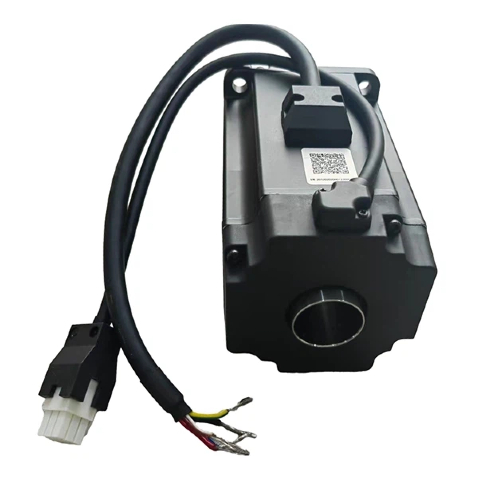
1. Introduction to High Torque DC Motor
A high torque DC motor is a type of direct current (DC) motor designed to produce significantly higher rotational force compared to standard DC motors. The increased torque output of these motors makes them ideal for applications where greater mechanical power is required to overcome resistance, move heavy loads, or perform tasks in demanding environments. High torque DC motors play a critical role in various industries, including robotics, electric vehicles, manufacturing, and automation, where efficient and powerful motion is essential.
These motors are engineered to generate a greater force without significantly increasing their size. This makes them perfect for applications where space is limited but high power output is still required. In this article, we will delve into the working principles of DC motors, explore what differentiates a high torque DC motor from standard DC motors, discuss their applications and benefits, and guide you on how to select and maintain the right motor for your needs.
2. Basic Principles of DC Motors
2.1 How DC Motors Work
A DC motor operates on the basic principles of electromagnetism. At the heart of the motor are several components that work together to convert electrical energy into mechanical energy, producing rotation.
Armature: The armature is the rotating part of the motor. It is typically a coil of wire through which electric current flows. When the current passes through the armature, it creates a magnetic field around it.
Commutator: The commutator is a rotary switch that reverses the direction of current in the armature windings as it rotates. This reversal ensures that the motor continues to rotate in the same direction.
Field Magnet: The field magnet, either a permanent magnet or an electromagnet, generates a static magnetic field that interacts with the armature’s magnetic field. This interaction creates a force that causes the armature to rotate.
Brushes: The brushes are made of a conductive material, typically carbon, and are in contact with the commutator. They transfer current from the external power source to the rotating armature.
When current flows through the armature, it creates a magnetic field that interacts with the field magnet's magnetic field, resulting in a force that causes the armature to rotate. The commutator ensures the current flows in the correct direction to maintain the motor’s rotation. The torque produced by the motor is a result of the force generated by this interaction between the magnetic fields of the armature and the field magnet.
2.2 Torque in DC Motors
Torque in a DC motor refers to the rotational force generated by the motor’s shaft. Torque is one of the key performance indicators of a motor and is essential for determining the motor's ability to move loads and perform tasks. In a DC motor, the amount of torque is directly proportional to the current flowing through the windings.
The torque produced by the motor is the result of the interaction between the magnetic field generated by the armature and the field magnet. For high torque DC motors, the motor is designed to handle higher currents, resulting in a greater force on the armature and thus higher torque output.
3. What Makes a DC Motor "High Torque"?
3.1 High Torque Definition
A high torque DC motor is specifically designed to generate higher rotational force than standard DC motors. This higher torque output is achieved through specific design features and considerations that allow the motor to handle larger loads and operate more efficiently in demanding applications.
The high torque design usually involves the following characteristics:
Larger Armature Size: A larger armature increases the surface area available for the current to flow through. This allows for a greater magnetic field to be generated, resulting in higher torque.
Stronger Magnetic Field: To produce more force, high torque motors often use stronger magnets or increase the field strength through improved winding techniques.
Higher Current Capacity: High torque motors are designed to carry more current, which directly increases the torque output. The higher current allows the motor to generate more force without overheating or losing efficiency.
3.2 Factors Influencing Torque
Several factors influence the torque a DC motor can produce. Here’s a table summarizing the key factors and their impact on torque output:
Factor | Description |
Armature Size | Larger armatures have more surface area for current to flow through, increasing torque. More loops of wire in the armature result in greater torque output. |
Magnetic Field Strength | A stronger magnetic field interacts more effectively with the armature’s magnetic field, generating more force and higher torque. |
Current Flow | The more current that flows through the windings, the more torque is generated. This is why high torque motors are designed to handle higher currents without causing damage to the components. |
Motor Design | Features like thicker windings, better insulation, and optimized geometries contribute to better torque output by maximizing the interaction between the armature and the field magnet. |
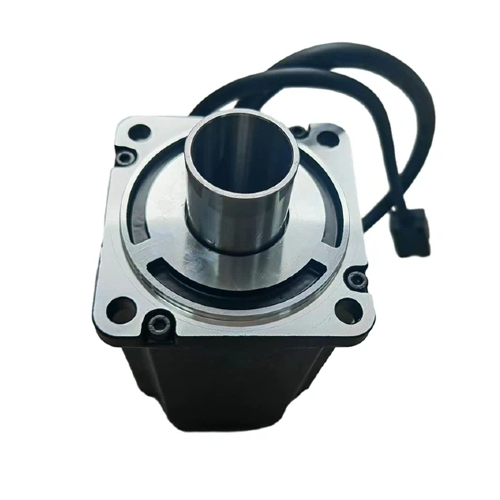
4. Applications of High Torque DC Motors
4.1 Industrial Applications
High torque DC motors are integral to industries that require reliable and consistent power to drive machinery and equipment. These motors are used in several industrial applications where heavy-duty, continuous operation is required. Some common uses include:
Manufacturing Systems: High torque motors power automated systems, including robotic arms, conveyor belts, and assembly lines, where precise control and consistent force are essential to move heavy components or materials.
Robotics: Robotics applications, especially those requiring precision, use high torque motors for tasks like lifting, rotating, and moving objects, where greater force is needed for accuracy and functionality.
4.2 Automotive and Electric Vehicles
Electric vehicles (EVs) and other battery-operated transportation systems rely on high torque DC motors for efficient acceleration, power delivery, and speed control. High torque DC motors are used in:
Electric Cars: High torque motors provide the necessary force to drive the wheels, allowing for smooth acceleration and deceleration, especially at low speeds where more torque is required.
Electric Forklifts: Electric forklifts use high torque motors to lift heavy materials and move them over short distances efficiently.
4.3 Home Appliances and Power Tools
High torque motors also have applications in home appliances and power tools, such as:
Power Tools: Tools like drills, saws, and grinders require high torque motors to efficiently perform their tasks, particularly when dealing with tough materials or larger workpieces.
HVAC Systems: Motors in heating, ventilation, and air conditioning (HVAC) systems use high torque to move large volumes of air efficiently in commercial or residential buildings.
5. Benefits of High Torque DC Motors
5.1 Increased Power Output
High torque DC motors are designed to produce more mechanical power compared to standard motors. This makes them ideal for applications where a significant amount of work needs to be done, such as in heavy machinery or electric vehicles. The high power output ensures that the motor can handle demanding tasks without losing efficiency.
5.2 Enhanced Efficiency Under Load
Unlike standard motors that may experience significant power loss when operating under heavy loads, high torque DC motors maintain their efficiency. This is particularly important in applications where constant load is applied, ensuring that the motor continues to operate smoothly without excessive heating or wear.
5.3 Improved Control and Precision
The increased torque allows for greater control over the motor’s speed and position. This is especially beneficial in applications requiring fine-tuned movements, such as in robotics or CNC machines. The ability to maintain a high level of precision ensures that the motor can perform tasks with minimal error.
6. How to Choose the Right High Torque DC Motor
6.1 Considerations for Selection
When selecting a high torque DC motor, it is essential to consider several factors that can impact the motor’s performance:
Factor | Description |
Voltage | Ensure that the voltage rating of the motor matches your power supply for efficient operation. A mismatch could lead to motor failure or suboptimal performance. |
Speed | High torque motors typically operate at lower speeds. Consider the required speed for your application when selecting a motor. |
Load Capacity | Choose a motor that can handle the load your application requires. Overloading a motor can lead to premature failure. |
Environmental Conditions | Assess the operating environment, including factors such as temperature, humidity, and exposure to dust or moisture, to choose a motor that can perform well under those conditions. |
6.2 Matching Motor to Application
It is important to choose a high torque DC motor that is best suited for your specific application. For instance:
For robotics, you may want a motor with a high torque-to-weight ratio to ensure the robot remains responsive and efficient.
For industrial machinery, durability and the ability to handle long hours of continuous operation are key factors in motor selection.
7. Maintenance of High Torque DC Motors
7.1 Regular Checks
To ensure the longevity of a high torque DC motor, regular maintenance is necessary. Routine checks should include:
Brush Wear: Over time, the brushes in a DC motor will wear out and need replacing to maintain optimal performance.
Bearing Lubrication: Regular lubrication of the bearings helps to reduce friction and wear, ensuring that the motor operates smoothly.
7.2 Common Issues and Solutions
Overheating: Ensure proper ventilation and avoid overloading the motor. Overheating can significantly reduce the motor’s lifespan.
Reduced Torque: If the motor’s torque output decreases, check for possible wiring issues, motor misalignment, or damage to components.
8. Conclusion
High torque DC motors play a crucial role in a variety of applications that demand significant rotational force. Designed to efficiently handle heavy loads, these motors offer high power output, precise control, and improved efficiency, making them indispensable in industries such as robotics, manufacturing, and automotive. By understanding their operation, selecting the right motor for your needs, and performing regular maintenance, you can ensure optimal performance tailored to your specific requirements.
At Tiger Motion Control Co., Ltd., we specialize in providing high-quality, high torque DC motors that are engineered to meet the demands of various industrial applications. Our expertise ensures that you get the best solution for your unique needs, with a focus on reliability and performance. Whether you're looking to upgrade your equipment or require a custom solution, we invite you to contact us for further information and to discuss how we can assist with your motion control needs. Let us help you power your projects with precision and efficiency.
9. FAQ
1. What is the difference between a high torque DC motor and a regular DC motor?
A high torque DC motor is specifically engineered to produce more rotational force, making it suitable for heavy-duty applications, while standard DC motors are typically designed for lighter tasks.
2. What factors affect the torque output of a DC motor?
The factors include the armature size, the strength of the magnetic field, the current flow, and the overall motor design. Each of these factors contributes to the motor’s ability to generate torque.
3. Can high torque DC motors be used in all applications?
While high torque motors are versatile, the specific selection of the motor should be based on factors like load capacity, speed, and environmental conditions.
4. How do I know if a DC motor is high torque?
A DC motor is classified as high torque if it generates significantly more rotational force than standard motors of similar size, typically by using larger armatures, stronger magnetic fields, and higher current capacities.
5. What are the main applications of high torque DC motors?
High torque DC motors are used in industrial automation, robotics, electric vehicles, power tools, and various other applications that require reliable and powerful motion.


