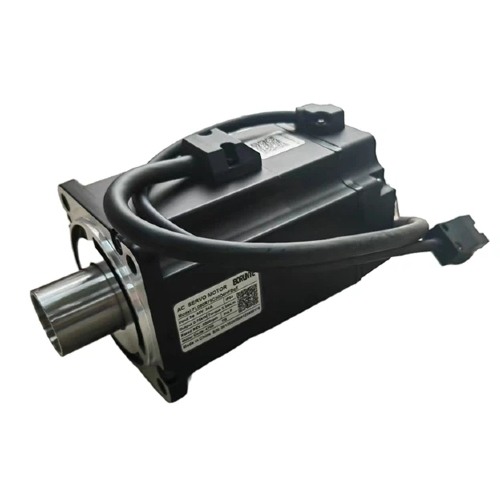
Ever wondered how robots move with such precision? The secret lies in the servo motor. A servo motor is a compact device that controls position, speed, and torque accurately. In this post, you’ll learn what makes servo motors unique and why they are vital in modern automation.
Primary Uses of Servo Motors in Industry
Servo motors are essential in many industrial applications due to their precision, control, and reliability. Their ability to provide accurate position, speed, and torque control makes them ideal for a wide range of uses.
Robotics: Precision Control in Robotic Joints and Arms
In robotics, servo motors are the backbone for precise movement. They control the joints and arms, allowing robots to perform delicate tasks such as assembly, welding, or even bomb disposal. The servo motor use in robotics ensures smooth, accurate, and repeatable motion, critical for both industrial and research robots.

CNC Machines: Accurate Machining and Positioning
Computer Numerical Control (CNC) machines rely heavily on servo motors for cutting, drilling, and shaping materials with high precision. The servo motor function here is to control the tool’s exact position and speed, enabling complex machining tasks with minimal error. This precision improves product quality and reduces waste.
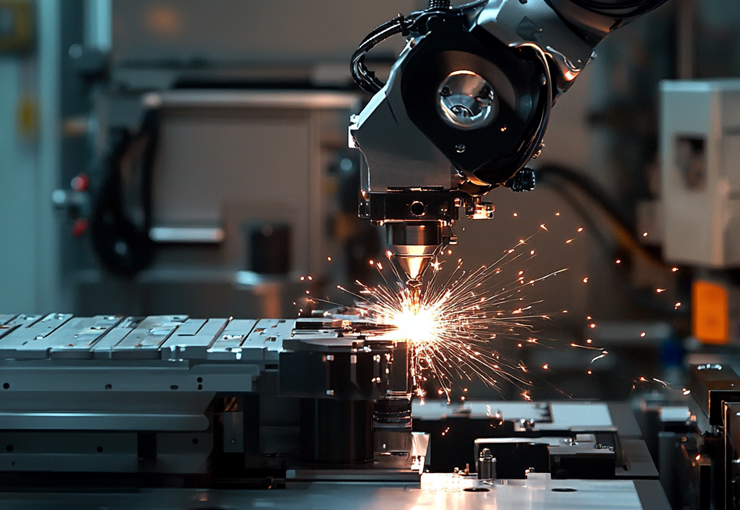
Industrial Automation: Conveyor Belts and Assembly Lines
Servo motors play a vital role in automation systems, operating conveyor belts and assembly lines. Their precise control allows for synchronized movement, ensuring products move efficiently through manufacturing stages. This enhances productivity and reduces downtime.
Elevator Systems: Safe and Smooth Vertical Transportation
Elevator systems use servo motors to provide smooth acceleration and deceleration, ensuring passenger safety and comfort. The servo motor working principle allows for precise control of speed and position, which is crucial for stopping accurately at each floor.
Camera and Antenna Positioning: Fine Tuning and Tracking
Servo motors are used to adjust camera lenses and antenna positions with high accuracy. This application demands precise angular control to focus images or track signals, often in real-time, highlighting the servo motor’s dynamic response capabilities.
Manufacturing Processes: Welding, Cutting, and Material Handling
In manufacturing, servo motors control robotic arms and tools for welding, cutting, and handling materials. Their advantages include consistent force application and repeatability, which improve product integrity and process efficiency.
Packaging and Printing: High-Speed Indexing and Synchronization
Packaging and printing machines use servo motors for fast and accurate indexing, ensuring that products are packaged or printed in precise locations. This synchronization reduces errors and increases throughput.
Tip: When selecting servo motors for industrial applications, prioritize models with robust feedback systems like encoders to maintain precision in demanding environments.
How Servo Motors Enable Precision and Control
Servo motors are renowned for their ability to deliver precise motion control, which is essential in applications ranging from robotics to industrial automation. This precision is largely due to their sophisticated control mechanisms, which allow them to adjust position, speed, and torque dynamically and accurately.
Closed-Loop Feedback Mechanism and Its Role
At the heart of a servo motor’s precision lies the closed-loop feedback system. Unlike traditional open-loop motors, servo motors continuously monitor their output and compare it to the desired input. This feedback loop involves sensors detecting the motor’s actual position or speed and sending this data back to the controller. The controller then adjusts the motor’s operation to correct any deviation, ensuring the commanded position or speed is maintained. This real-time correction minimizes errors and enhances repeatability.
Role of Encoders and Resolvers in Position Accuracy
Encoders and resolvers are critical components in the feedback system. An encoder converts the motor shaft’s position into digital signals, providing high-resolution data on angular position and speed. Resolvers, on the other hand, provide analog feedback and are preferred in harsh environments due to their robustness. Both devices enable the servo controller to precisely track the motor’s position, allowing for fine adjustments. This capability is vital in applications like CNC machining and robotics, where even minor positional errors can affect quality.
Pulse Width Modulation (PWM) for Speed and Torque Control
Pulse Width Modulation (PWM) is a common method used to regulate the power supplied to the servo motor. By varying the width of voltage pulses sent to the motor, PWM controls the effective voltage and current, which in turn adjusts the motor’s speed and torque. This technique allows for smooth acceleration and deceleration, as well as precise control over dynamic loads. PWM is efficient and helps reduce energy consumption while maintaining performance.
Dynamic Response: Acceleration and Deceleration Capabilities
Servo motors excel in dynamic response, meaning they can rapidly accelerate or decelerate based on command inputs. This is crucial for tasks requiring quick and precise movements, such as robotic arm positioning or high-speed printing presses. The motor’s low inertia and the controller’s fast processing enable seamless transitions without overshoot or lag. This responsiveness ensures that the motor can handle complex motion profiles reliably.
Tip: When designing systems requiring high precision, prioritize servo motors equipped with high-resolution encoders and advanced PWM controllers to maximize accuracy and responsiveness.
Types of Servo Motors and Their Applications
Servo motors come in various types, each designed to meet specific needs in precision, speed, and torque. Understanding these types helps in selecting the right motor for your application, whether it’s robotics, automation, or CNC machining.
DC Servo Motors: Low to Medium Speed Tasks
DC servo motors are common in applications requiring moderate speed and torque. They use direct current and are known for their simple construction and ease of control. Typically, brushed or brushless designs exist:
Brushed DC servo motors have brushes and commutators for electrical switching. They are cost-effective but require more maintenance due to brush wear.
Brushless DC servo motors eliminate brushes, offering higher efficiency, lower noise, and longer service life.
DC servo motors suit applications like small robotics, camera gimbals, and conveyor belts where precise speed control is essential but heavy industrial loads are not involved.

AC Servo Motors: High Torque and Industrial Use
AC servo motors operate on alternating current and are popular in industrial environments. They offer high torque, excellent speed control, and durability. AC servos are usually brushless and may be synchronous or asynchronous:
Synchronous AC motors maintain rotor speed synchronized with the stator’s magnetic field, providing precise position control.
Asynchronous (induction) motors are robust and cost-effective but require advanced control algorithms to achieve precision.
These motors power CNC machines, robotics, and heavy-duty automation, where reliability and high performance are critical.
Brushless Servo Motors: Efficiency and Maintenance Benefits
Brushless servo motors, whether AC or DC, use electronic commutation instead of mechanical brushes. This design reduces friction, wear, and noise. The benefits include:
Higher efficiency and energy savings
Longer operational life with minimal maintenance
Smooth and precise control ideal for complex motion profiles
They are favored in medical devices, drones, and high-speed manufacturing equipment.
Linear vs. Rotary Servo Motors: Motion Type Distinctions
Servo motors can also be categorized by their motion output:
Rotary servo motors provide rotational movement, common in robotic joints, CNC spindles, and conveyor rollers.
Linear servo motors produce direct linear motion without additional mechanical components like screws or belts. They offer high precision and speed, ideal for pick-and-place systems and laboratory automation.
Choosing between linear and rotary depends on the motion requirements and mechanical design constraints.
Stepper Servo Motors: Closed-Loop Stepper Applications
Stepper servo motors combine the discrete step movement of traditional stepper motors with closed-loop feedback systems. This integration improves:
Position accuracy by correcting missed steps
Torque performance at higher speeds
Smoothness of motion through advanced control algorithms
They are widely used in 3D printers, CNC routers, and aerospace applications where reliability and precision are paramount.
Tip: When selecting a servo motor, consider not just the motor type but also the feedback system and control compatibility to ensure optimal performance and longevity in your application.
Selecting the Right Servo Motor for Your Application
Choosing the perfect servo motor for your needs is crucial to ensure optimal performance, efficiency, and longevity. Several factors come into play when matching a servo motor to a specific application, especially in robotics, automation, or manufacturing.
Matching Torque and Speed Requirements
Start by defining the torque and speed your application demands. Torque is the twisting force the motor must provide, while speed is how fast it needs to rotate. Undersizing the motor’s torque can cause overheating and loss of precision, while oversizing may lead to unnecessary costs and larger equipment. For example, a robotic arm joint requires precise torque control to handle loads smoothly, whereas a conveyor belt might prioritize consistent speed.
Considering Feedback and Control System Compatibility
Servo motors rely on feedback devices like encoders or resolvers to maintain accuracy. It’s essential to ensure the motor’s feedback system is compatible with your controller or drive. High-resolution encoders provide better position accuracy but may increase cost. Additionally, consider the control method—PWM, analog, or digital signals—and verify that your control hardware supports it. Proper integration guarantees smooth communication and precise control.
Environmental Factors: Temperature, Humidity, and Cooling
The operating environment significantly impacts motor selection. High temperatures can degrade motor components, while humidity may cause corrosion or electrical shorts. Cooling methods such as air, water, or oil cooling can extend motor life and maintain performance. For instance, water-cooled servo motors are ideal for compact setups requiring high power density. Always check the motor’s IP rating and material to ensure it withstands your conditions.
Common Pitfalls: Undersizing and Ignoring Duty Cycles
Many users underestimate the motor’s duty cycle—the amount of time it operates at full load versus resting. Ignoring this can lead to premature failure. A motor rated for intermittent use may overheat during continuous operation. Similarly, undersizing the motor for peak loads can cause torque drops and positional errors. Always calculate the worst-case load scenarios and select a motor with appropriate margins.
Integration with Gearboxes and Drives for Optimal Performance
Integrating servo motors with compatible gearboxes and drives enhances torque, speed control, and system efficiency. Gearboxes can increase torque while reducing speed, fitting the motor’s output to application needs. Drives or servo controllers manage power delivery and feedback processing. Ensuring these components are matched and tolerance-matched reduces mechanical stress and improves reliability. For example, pairing a servo motor with a planetary gearbox is common in robotics for compact, high-torque solutions.
Tip: Always consult with manufacturers or motion control experts to match servo motor specifications precisely to your application’s torque, speed, and environmental needs, avoiding costly oversights and ensuring reliable performance.
Benefits of Using Servo Motors
Servo motors offer numerous advantages that make them indispensable in modern automation and precision control applications. Their unique design and control capabilities provide benefits across various industries, from robotics to manufacturing.
High Precision and Repeatability
One of the most significant servo motor advantages is their ability to deliver high precision and repeatability. Thanks to their closed-loop control system, which constantly monitors position, speed, and torque, servo motors can achieve exact movements repeatedly. This precision is crucial in applications like CNC machining, robotics, and automated assembly lines where even the smallest deviation can affect product quality. The servo motor function ensures that the output matches the input command with minimal error, enabling consistent performance over time.
Energy Efficiency and Reduced Operational Costs
Servo motors are designed for optimal energy use. Their ability to adjust power output dynamically according to load requirements means they consume only the necessary energy, reducing waste. This efficiency translates into lower operational costs, especially in continuous or high-duty cycle applications. Additionally, brushless servo motors minimize friction and heat generation, further enhancing energy savings and extending motor life.
Compact Design for Space-Constrained Applications
Many servo motors feature compact and lightweight designs, making them ideal for installations where space is limited. This compactness allows engineers to design smaller, more efficient machines without sacrificing performance. For example, in robotics, servo motors fit neatly into joints and arms, enabling intricate and precise movements without bulk.
Low Maintenance and Long Service Life
Servo motors typically require minimal maintenance due to their robust construction and advanced electronic controls. Brushless designs eliminate wear-prone brushes, reducing service intervals and downtime. Moreover, integrated feedback devices like encoders are highly reliable, ensuring consistent operation. Proper maintenance protocols, such as routine inspections and condition monitoring, can further extend the motor’s lifespan, enhancing return on investment.
Scalability for Various Industrial Needs
Servo motors come in a wide range of sizes and power ratings, making them scalable for diverse applications. Whether you need a small motor for a camera autofocus system or a high-torque unit for heavy-duty industrial machinery, servo motors can be tailored to fit. This scalability supports evolving industrial demands and allows for easy upgrades or system expansions without complete redesigns.
Tip: When aiming for energy savings and precision, choose brushless servo motors paired with high-resolution encoders to maximize efficiency and reduce maintenance costs.
Maintenance and Reliability of Servo Motors
Maintaining servo motors properly is essential to ensure their reliability and long service life in automation and robotics applications. Given their critical role in precision control, neglecting maintenance can lead to costly downtime and performance issues.
Routine Inspections and Wiring Checks
Regular visual inspections help identify wear, damage, or loose connections early. Check wiring harnesses, connectors, and feedback device cables for signs of fraying, corrosion, or disconnection. Faulty wiring can cause intermittent feedback loss or motor failure. Inspect motor housings and mounting points for cracks or misalignment that could affect performance.
Lubrication and Gearbox Pairing Considerations
Servo motors often operate paired with gearboxes to optimize torque and speed. Proper lubrication of gearboxes is crucial to prevent wear and overheating. Use manufacturer-recommended lubricants and schedules. Some gearboxes come sealed and lubed-for-life, reducing maintenance needs. Ensure the gearbox is compatible with the servo motor’s torque and speed ratings to avoid mechanical stress.
Condition Monitoring Techniques: Thermal and Vibration Analysis
Advanced maintenance uses condition monitoring to detect early signs of motor or gearbox issues. Thermal imaging detects hotspots indicating electrical or mechanical problems. Vibration analysis can reveal bearing wear or imbalance. Monitoring current draw helps identify electrical faults or overloading. Implementing these techniques allows proactive intervention before failures occur.
Environmental Protection and Housing Selections
Choosing the right motor housing and protection rating (IP rating) is vital for reliability. Motors exposed to dust, moisture, or chemicals require sealed enclosures. Harsh environments may need additional cooling methods like water or oil cooling to prevent overheating. Proper environmental protection extends motor life and maintains consistent performance.
Proactive Maintenance to Extend Motor Lifespan
Scheduled preventive maintenance, including cleaning, lubrication, and component checks, prevents unexpected failures. Replace worn parts before they cause damage. Keep firmware and control software updated to optimize motor performance. Training operators and maintenance staff on correct handling and troubleshooting reduces human error risks.
Tip: Implement a condition-based maintenance program using thermal and vibration monitoring to catch servo motor issues early and maximize uptime.
Future Trends and Innovations in Servo Motor Technology
Servo motors have long been the cornerstone of precision motion control in robotics, automation, and industrial machinery. As technology advances, so too do the capabilities and applications of servo motors. Let’s explore some of the key future trends and innovations shaping servo motor technology.
Advances in Feedback and Control Electronics
Modern servo motors increasingly rely on sophisticated feedback systems. Innovations in sensor technology, such as higher-resolution encoders and improved resolvers, allow motors to detect position and speed with incredible accuracy. Coupled with advanced control electronics, these improvements enable faster processing of feedback signals and more precise adjustments.Emerging digital control algorithms, including adaptive and predictive controls, optimize servo motor responses in real-time. This leads to smoother operation, reduced overshoot, and enhanced stability, even under complex dynamic loads. Such advances make servo motor control more intelligent and adaptable, expanding their use in sensitive applications like medical robotics and aerospace.
Integration with IoT and Industry 4.0 Systems
The rise of the Internet of Things (IoT) and Industry 4.0 is transforming how servo motors operate within larger systems. Servo motors are becoming smart devices that communicate status, performance, and diagnostics data through networked connections.This connectivity enables predictive maintenance by analyzing motor condition remotely, reducing downtime and maintenance costs. It also facilitates real-time process optimization, where servo motors adjust parameters based on system-wide data inputs. Integration with cloud platforms allows for scalable control and monitoring solutions, benefiting manufacturing lines, automated warehouses, and smart factories.
Improvements in Cooling Methods and Materials
As servo motors push for higher power densities and compact designs, effective cooling becomes critical. Traditional air cooling is being supplemented or replaced by advanced methods such as liquid cooling and oil cooling. These systems dissipate heat more efficiently, allowing motors to run at higher continuous loads without overheating.Material innovations, including high thermal conductivity composites and improved insulation, enhance heat management within the motor. Together, these advances increase servo motor reliability and lifespan, especially in harsh or confined environments like aerospace or heavy industry.
Emerging Applications in Renewable Energy and Aerospace
Servo motors are finding new roles in renewable energy and aerospace sectors. In solar power, servo motors precisely orient photovoltaic panels to track the sun, maximizing energy capture. Wind turbines use servo motors to adjust blade pitch, optimizing performance and protecting against extreme conditions.In aerospace, servo motors control flight surfaces, landing gear, and satellite positioning systems. Their precision and reliability are vital for safety and mission success. As these industries demand higher efficiency and durability, servo motor technology evolves to meet stringent standards and environmental challenges.
Enhanced Energy Efficiency and Miniaturization
Energy efficiency remains a top priority. Innovations in motor design, such as improved magnetic materials and optimized winding configurations, reduce losses and improve overall efficiency. Brushless designs and advanced electronic commutation further decrease power consumption.Miniaturization allows servo motors to fit into smaller spaces without sacrificing performance. This trend is especially important in robotics, medical devices, and compact automation systems. Smaller, lighter servo motors with high torque output enable more agile and versatile machinery.
Tip: To future-proof your automation systems, consider servo motors with built-in smart sensors and IoT connectivity for enhanced control, predictive maintenance, and energy efficiency.
Conclusion
Servo motors are vital for precision and control in modern automation, powering robotics, CNC machines, and industrial systems. Their benefits include high accuracy, energy efficiency, and low maintenance, meeting growing demands for reliability. Selecting the right servo motor ensures optimal performance tailored to specific needs. Future innovations like smart sensors and IoT integration will expand their capabilities. Shenzhen Tiger offers advanced servo motor solutions that deliver exceptional value through precision, durability, and cutting-edge technology.
FAQ
Q: What is a servo motor used for in robotics?
A: A servo motor in robotics is used for precise control of joints and arms, enabling smooth, accurate, and repeatable movements essential for tasks like assembly and welding.
Q: How does the servo motor working principle enable precision?
A: The servo motor working principle involves a closed-loop feedback system with encoders or resolvers that continuously adjust position, speed, and torque, ensuring high accuracy and repeatability.
Q: What are common servo motor uses in automation?
A: Servo motors are commonly used in automation for controlling conveyor belts, assembly lines, packaging, and printing machines, where precise speed and position control improve efficiency and synchronization.
Q: What types of servo motor are best for industrial applications?
A: AC servo motors are preferred for high torque and durability in industry, while brushless servo motors offer efficiency and low maintenance; selection depends on application needs.
Q: Why choose a servo motor over other motors?
A: Servo motors provide advantages like high precision, energy efficiency, compact design, and scalability, making them ideal for applications requiring accurate control and repeatability.


