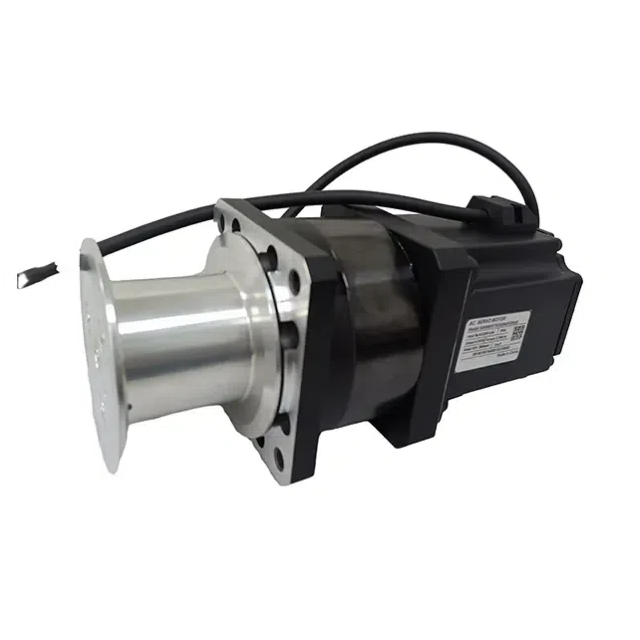
Choosing the wrong motor for your machinery is more than a minor mistake — it’s a technical time bomb. Over time, an ill-matched drive system can cause performance bottlenecks, frequent breakdowns, and increased maintenance costs. That’s why selecting the right geared motor is not just a technical decision; it’s a strategic one.
At Shenzhen Tiger Motion Control Technology Co., Ltd., we’ve helped countless manufacturers find tailored geared motor solutions that enhance equipment performance and minimize long-term expenses. In this guide, we’ll break down the critical aspects of geared motor selection — including application analysis, gear ratio choice, control system compatibility, and cost-performance evaluation — so you can make confident, informed decisions from the start.
Understand Your Application First
Before comparing gear types or checking specifications, it's essential to define the application requirements clearly. The performance of a geared motor is highly dependent on how well it matches the operational conditions of your machine.
1. Load and Torque Requirements
The first step in selecting a geared motor is analyzing your load — both static and dynamic. Static load refers to the force the motor needs to resist when the system is idle, while dynamic load includes acceleration, deceleration, and inertia during motion.
A common mistake is only considering peak torque. However, a more accurate selection involves evaluating both starting torque and continuous torque. For example, machines that perform repetitive start-stop operations — such as pick-and-place robots — need high starting torque and excellent load endurance. If the geared motor can’t provide adequate torque, the system will overheat, reduce efficiency, or fail prematurely.
You should also consider overload conditions, safety margins, and environmental factors like vibration or temperature that may affect load handling over time.
2. Speed and Duty Cycle
Next, determine the operational speed range and duty cycle of your machine. Will the machine run continuously for long periods? Or will it operate in short bursts with long idle phases?
Applications like conveyor belts or high-speed packaging machines require consistent output speeds and high-frequency operation. In such cases, choosing a geared motor with high dynamic response and precision speed regulation is critical.
On the other hand, if your machine requires position control — such as labeling systems or CNC machines — you’ll need a geared motor that supports advanced motion feedback systems like encoders. Speed and control precision must be matched with the motor’s capacity to handle start/stop cycles without performance degradation.
Choose the Right Gear Type and Ratio
Geared motors come with various gearbox configurations, each suited to specific use cases. Selecting the appropriate gear type and ratio is essential to optimize performance and prolong the motor's service life.
Common Gear Types:
Planetary Gears: Known for their high torque density and compact size, planetary gearboxes are ideal for dynamic and precision applications such as robotics and medical devices.
Helical Gears: Provide smooth and quiet operation with higher efficiency, commonly used in conveyor systems and packaging lines.
Worm Gears: Offer high reduction ratios and self-locking capabilities but at the cost of lower efficiency, making them suitable for lifting equipment and machinery with high load-holding requirements.
Different industries often favor different gear types. For instance, food processing plants might prioritize helical gearboxes for their quiet performance, while the automation industry often prefers planetary gearboxes for speed and torque efficiency.
Choosing the Right Ratio
The gear ratio determines how much the motor’s speed is reduced and how much torque is amplified. A higher gear ratio delivers more torque but reduces output speed, while a lower ratio allows for faster motion with less torque multiplication.
To choose the right ratio, calculate your machine's required output speed and load torque, then work backward based on the motor’s base speed and torque characteristics. It’s also essential to consider safety margins, especially for machines operating under variable load or frequent speed shifts.
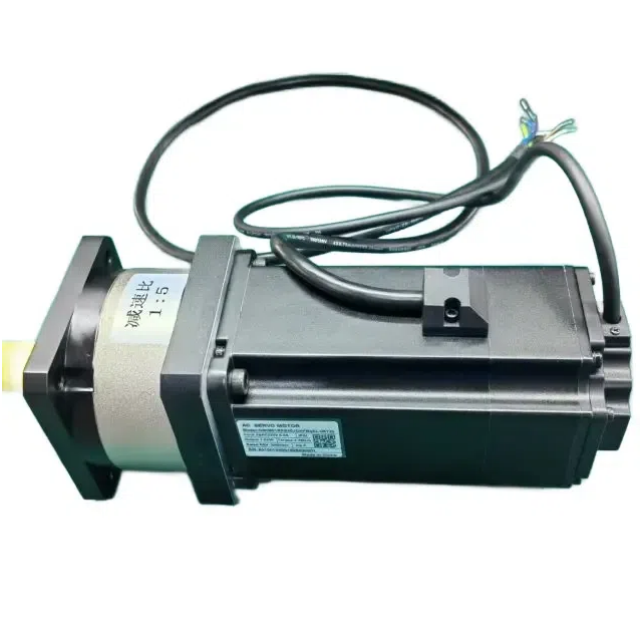
Verify Control Compatibility and Integration
Your geared motor is only as effective as its ability to integrate smoothly into your control system. Compatibility between the motor, servo drive, and control software determines whether the system runs smoothly or struggles with miscommunication and delays.
1. Compatibility With Servo Drives
Check whether the geared motor is designed to work with your existing or planned servo drive. A mismatch in feedback signals or control protocols can lead to issues in closed-loop performance.
If your application demands position feedback, speed control, or real-time synchronization with other components, make sure the geared motor supports compatible encoder feedback systems. At Tiger Motion, our servo geared motors are optimized for integration with various industry-standard servo drives, reducing setup time and improving operational stability.
2. Pre-Tuned vs. Custom-Tuned Solutions
Another key consideration is the level of configuration required. Some geared motors come pre-configured at the factory with parameters already tuned for specific applications. This simplifies installation and shortens commissioning time — ideal for integrators and OEMs on tight schedules.
Others may require custom tuning to suit unique application demands. This approach allows for fine adjustments but demands more technical input during setup. Choosing between pre-tuned and custom-tuned depends on your in-house engineering capability and the complexity of your application.
Balance Cost With Long-Term Value
While it's tempting to base your decision purely on upfront cost, this short-sighted approach often leads to higher expenses in the long run. Instead, assess the total cost of ownership, which includes purchase price, maintenance, efficiency, and downtime risk.
Evaluate Beyond Price
A cheaper motor might save money initially but may lack durability, require frequent servicing, or consume more energy. In contrast, a higher-quality geared motor with better efficiency ratings and a longer service interval could save thousands in energy and maintenance over its operational life.
Consider these additional value factors:
Availability of spare parts and technical support
Manufacturer’s responsiveness and delivery lead times
Energy consumption under typical load conditions
Durability of gear materials and thermal stability of motor windings
Technical Support and Service Availability
Especially for export and international projects, choosing a geared motor supplier that offers remote debugging, application consulting, or after-sales technical support can make a critical difference. Shenzhen Tiger Motion Control Technology Co., Ltd. provides a complete ecosystem of product support, from initial design consultation to post-installation optimization.
With a robust supply chain and responsive engineering team, we help customers reduce the hidden costs often associated with downtime and system misalignment.
Conclusion
Selecting the ideal geared motor for your machine is about more than just torque and speed — it’s about achieving the perfect balance between performance, cost, and reliability. By carefully analyzing your application’s load characteristics, choosing the right gear configuration, verifying control compatibility, and weighing the long-term value, you significantly improve your chances of a successful motor integration.
At Shenzhen Tiger Motion Control Technology Co., Ltd., we specialize in helping businesses match their exact mechanical and automation needs with expertly configured geared motor solutions. Contact us today to request a technical consultation, get detailed specifications, or receive geared motor samples tailored to your application.


