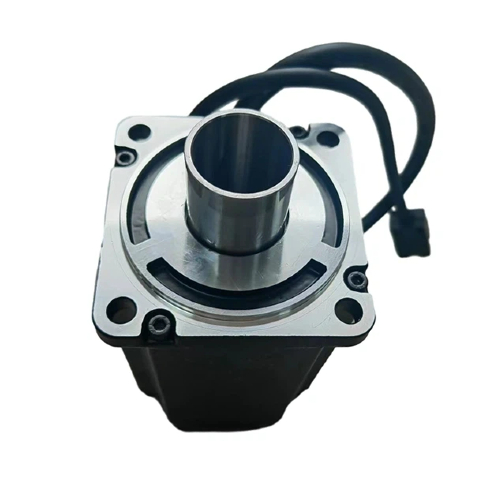
A high torque DC motor is a type of direct current (DC) motor specifically engineered to produce higher rotational force or torque than standard DC motors. Torque in a motor refers to the force that causes the motor's shaft to rotate. This increased torque output enables high torque DC motors to handle heavier loads and perform tasks that demand significant mechanical power, making them an essential component in many industries such as robotics, automotive, and manufacturing.
Torque is a critical parameter in determining the effectiveness of a DC motor in practical applications. A motor's torque determines its capacity to move or lift heavy objects, sustain high-efficiency performance under heavy load, and maintain consistent motion without stalling. In many applications, especially those requiring high load-bearing capacity or fast acceleration, motors with high torque are crucial for the successful performance of machinery.
This article aims to explore why DC motors have high torque, explaining the factors that contribute to a motor's ability to generate increased torque. We will delve into the principles behind high torque DC motors, their design elements, and how understanding these factors can help in optimizing motor performance in industrial applications.
1. Understanding Torque in DC Motors
What is Torque?
Torque is the measure of rotational force in a motor. It is calculated as the force applied to the armature of the motor multiplied by the radius at which the force is applied. In simple terms, torque is what makes a motor rotate, and it is the key factor that enables the motor to move heavy objects or perform tasks that require significant rotational movement.
Mathematically, torque (τ) is expressed as:
τ=F×r
Where:
τ is the torque.
F is the force applied.
r is the radius at which the force is applied (typically the distance from the axis of rotation).
In DC motors, torque is generated by the interaction of the current flowing through the motor's armature and the magnetic field produced by the field magnets.
Role of Torque in Motor Performance
The amount of torque a motor generates directly affects its performance in an application. Torque allows the motor to move load-bearing systems, such as conveyor belts, robotic arms, or vehicle wheels. Without sufficient torque, the motor will struggle to start, may stall under load, or may not be able to rotate at the required speed.
In applications such as robotics or industrial machinery, where precision and load-bearing capacity are crucial, high torque is required to achieve smooth operation, stability, and efficiency under heavy-duty conditions.
2. Factors That Contribute to High Torque in DC Motors
High torque DC motors are designed with specific features that enhance their ability to generate more rotational force. The following are key factors that contribute to the high torque capacity of DC motors:
2.1 Armature Size and Design
The armature is the rotating part of a DC motor, and its design has a significant impact on the motor’s torque output. Larger armatures provide more surface area for current to flow through, which increases the interaction between the magnetic fields generated by the armature and the field magnet. This greater interaction produces higher torque.
How Armature Size Affects Torque:
Larger Armature: A larger armature allows for more windings of wire, which means more current can pass through, resulting in stronger magnetic fields and increased torque output.
Compact Armature Design: A well-designed, compact armature with more efficient winding layouts can enhance torque without requiring a larger physical motor size.
Armature Size and Torque Output
Armature Size | Surface Area for Current Flow | Torque Output |
Small | Less surface area | Lower torque |
Medium | Moderate surface area | Moderate torque |
Large | Greater surface area | Higher torque |
2.2 Magnetic Field Strength
The strength of the magnetic field inside the motor is a crucial factor in determining its torque production. The motor's torque output is directly proportional to the strength of the magnetic field produced by the field magnets. High torque DC motors use stronger magnets, or they employ techniques to intensify the magnetic field, resulting in a greater force exerted on the armature.
How Magnetic Field Strength Affects Torque:
Stronger Magnets: Permanent magnets or electromagnets with higher magnetic flux contribute to a greater force acting on the armature, thereby increasing torque.
Improved Field Magnet Design: By optimizing the design of the field magnets, motors can achieve stronger, more efficient magnetic fields without increasing motor size.
2.3 Current Flow
Current plays a direct role in generating torque in DC motors. The amount of current that flows through the armature's windings determines the magnitude of the magnetic field generated by the armature. The more current flowing through the motor, the greater the torque produced.
How Current Affects Torque:
Higher Current: More current results in a stronger magnetic field around the armature, which produces higher torque.
Motor Design for High Current: High torque motors are designed with thicker windings and better insulation to handle higher currents without overheating.
Current and Torque Relationship
Current (A) | Magnetic Field Strength | Torque Output |
1 A | Weak | Low torque |
2 A | Moderate | Moderate torque |
5 A | Strong | High torque |
2.4 Motor Winding and Wire Gauge
The way the motor's windings are configured, as well as the gauge of wire used, plays an important role in the motor's ability to carry current and generate torque. Using thicker wire or more turns in the windings can handle higher currents and improve torque output. This is particularly important for high torque applications that require efficient power transfer.
How Winding and Wire Gauge Affect Torque:
Thicker Wire: Thicker wire allows more current to flow without overheating, resulting in higher torque.
More Turns in the Windings: Adding more turns of wire in the motor’s armature increases the strength of the magnetic field and improves torque.
2.5 Motor Design and Efficiency
The overall design of a high torque DC motor can significantly impact its performance. Features such as better cooling systems, enhanced insulation, and optimized geometries help the motor handle higher currents and generate more torque without compromising efficiency.
How Motor Design Affects Torque:
Efficient Winding Layouts: Well-optimized winding configurations allow the motor to maximize the interaction between the armature and magnetic fields, leading to higher torque production.
Cooling Systems: Proper cooling prevents the motor from overheating under high current, ensuring that it can sustain high torque output over longer periods of operation.
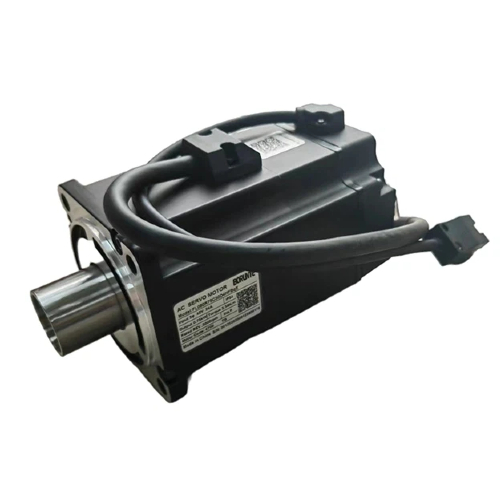
3. Benefits of High Torque in DC Motors
3.1 Better Load Handling
High torque allows a motor to handle significantly heavier loads than standard motors. This makes high torque DC motors ideal for applications that require lifting, moving, or rotating heavy objects with ease.
3.2 Enhanced Precision
The increased torque capability allows for greater precision and control in high-torque DC motors. This is particularly important in applications where fine adjustments and consistent motion are needed, such as in robotics or automated machinery.
3.3 Increased Durability and Performance
High torque motors are designed to perform well under heavy loads without losing efficiency. This durability is crucial in industrial applications, where long-term, reliable performance is essential.
4. How to Maximize Torque in DC Motors
4.1 Optimizing Power Supply
To achieve maximum torque, it's crucial to ensure that the motor receives a power supply capable of providing the necessary current. A motor with insufficient power supply will not be able to perform at its full torque potential. Matching the voltage and current ratings of the motor with the power source is essential.
4.2 Choosing the Right Motor for the Application
Selecting the right motor based on the torque requirements of your application is key. When choosing a high torque DC motor, ensure that its specifications—such as current, speed, and load capacity—align with the demands of your system.
5. Conclusion
High torque DC motors are engineered to produce greater rotational force than standard motors, making them essential in industries like robotics, manufacturing, and automotive. These motors provide the power needed for demanding applications, offering improved efficiency, precision, and load-handling capabilities. By understanding the factors that influence torque—such as armature size, magnetic field strength, current flow, and motor design—you can make better decisions when selecting the right motor for your needs.
At Tiger Motion Control Co., Ltd., we specialize in providing high torque DC motors that meet the diverse requirements of industrial applications. Our expertise ensures that you get the most reliable and efficient solutions for your specific needs, whether you're working in automation, robotics, or other high-power industries. We offer guidance in choosing the right motor and are committed to helping you maintain optimal motor performance.
If you are looking for high-quality high torque DC motors or need expert advice on motor selection and maintenance, feel free to contact us. Let us help you find the ideal solution to power your projects with precision and efficiency.
6. FAQ
1. What is the main factor that makes a DC motor produce high torque?
The main factors are the motor's armature size, magnetic field strength, and the amount of current flowing through the motor's windings.
2. Can a DC motor with high torque work efficiently under heavy loads?
Yes, high torque DC motors are specifically designed to handle heavy loads efficiently, making them ideal for industrial and robotic applications.
3. How does the size of the armature affect the torque in a DC motor?
A larger armature allows for more windings and increased current flow, which generates a stronger magnetic field and produces higher torque.
4. Does increasing current always result in higher torque in DC motors?
Yes, increasing the current increases the magnetic field strength, which directly results in higher torque.
5. How can I optimize my high torque DC motor’s performance?
Optimize performance by ensuring a suitable power supply, selecting the appropriate motor for your application, and performing regular maintenance to prevent overheating or wear.


