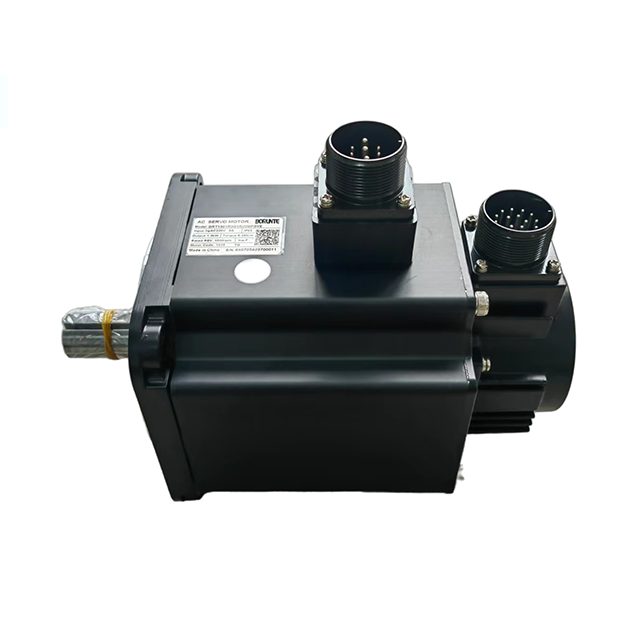
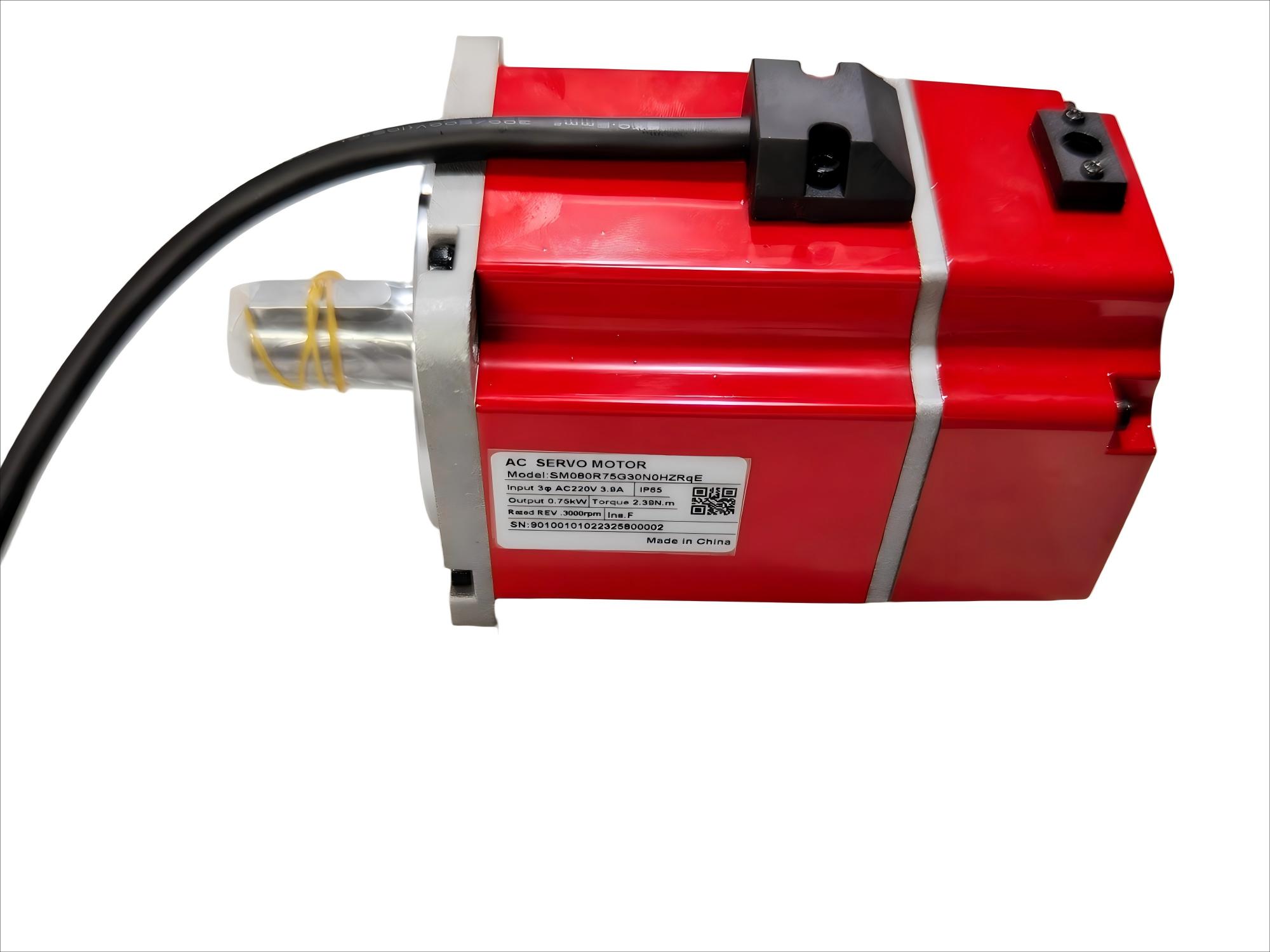
Have you ever wondered why some automation systems fail? The answer often lies in the selection of servo motors. Choosing the right servo motor is crucial for efficiency and performance.
In this article, we’ll explore common servo motor selection mistakes and how to avoid them. You’ll learn tips to enhance your automation systems’ reliability and efficiency.
Table of Contents
Toggle
Understanding Common Servo Motor Selection Mistakes
Choosing the Wrong Motor Size
One of the most frequent mistakes in selecting a servo motor is choosing the wrong size. Many engineers base their decisions solely on the average torque requirements of their application. However, this can lead to significant issues. The motor must not only handle steady-state loads but also rapid acceleration and deceleration. If the motor is undersized, it may struggle during these dynamic conditions, leading to overheating and poor performance.
To avoid this mistake, consider the entire motion profile. Calculate the peak torque required during acceleration, factoring in load inertia and friction. A torque-speed-time model can help visualize these demands and ensure the motor can handle them. Additionally, always account for thermal limits and ensure the drive can supply the necessary peak current.
Ignoring Mechanical Compliance and Backlash
Another common oversight is neglecting mechanical compliance and backlash. These factors can significantly affect the performance of a servo motor system. Mechanical compliance refers to the flexibility of components in the system, which can introduce errors in positioning and control. Backlash, the slight movement between gears or components, can also lead to inaccuracies.
Many engineers overlook these aspects until they begin tuning the system. By then, it may be too late. To prevent this, assess the mechanical components early in the design process. Ensure that couplings, gearboxes, and mounts are rigid enough to minimize compliance. Choose gearboxes with appropriate backlash for your application, and avoid flexible couplings in the primary torque path unless necessary.
Underestimating Power Quality and Grounding
Power quality and grounding are critical yet often underestimated factors in servo motor selection. Poor power quality can lead to erratic motor behavior, resulting in faults or even damage. Voltage fluctuations, electromagnetic interference (EMI), and ground loops can all disrupt the operation of servo systems.
To mitigate these issues, ensure that the power supply is stable and properly filtered. Implement a grounding strategy that minimizes noise and interference. Use shielded cables for signal transmission and keep power and signal lines separate. This approach can significantly enhance the reliability of the servo system and prevent unexpected faults.
By understanding these common servo motor selection mistakes and taking proactive measures, you can enhance the reliability and efficiency of your automation systems.
Tip: Always conduct a thorough analysis of your application’s requirements, including dynamic loads and environmental factors, before selecting a servo motor to ensure optimal performance.
Common Servo Motor Faults and Their Causes
Overheating Issues in Servo Motors
Overheating is a prevalent issue in servo motors, often leading to severe performance degradation or complete failure. The primary causes include:
High Ambient Temperatures: Operating in excessively hot environments can push motors beyond their thermal limits.
Blocked Cooling Paths: Dust or debris can obstruct airflow, causing heat to accumulate.
Long Duty Cycles: Continuous operation without adequate rest prevents heat dissipation.
Poor Ventilation: Tight spaces can restrict airflow, exacerbating overheating issues.
Worn Internals: Aging components generate more friction, leading to increased heat.
To prevent overheating, ensure that the motor is appropriately sized for its application. Regularly clean cooling systems and maintain good ventilation. If overheating persists, consider installing additional cooling equipment like fans or air conditioners.
Bearing Failures and Their Impacts
Bearing failures are common in servo motors and can lead to significant operational issues. Causes include:
Normal Wear and Tear: Bearings degrade over time with continuous use.
Improper Installation: Misalignment during installation can accelerate wear.
Contamination: Dirt and debris can infiltrate the bearing, causing abrasive wear.
Overloading: Excessive loads can stress bearings beyond their design limits.
Poor Lubrication: Insufficient lubrication increases friction, leading to faster wear.
Symptoms of bearing failure often include abnormal noises, increased vibration, and overheating. To mitigate these risks, schedule routine inspections and replace bearings as needed. Implementing vibration sensors can also help detect issues early.
Brake Failures and Their Consequences
Brake failures in servo motors can lead to positioning errors and unexpected downtime. Common causes include:
Repetitive Stopping: Frequent stops can wear brakes prematurely.
Contamination: Dust and oil can impair brake function.
Enclosed Design: Many servo motors have brakes housed internally, complicating inspections.
Signs of brake failure include unusual noises during operation and erratic motor movement. To prevent brake issues, engage brakes only when the motor is at a standstill. For applications requiring frequent stops, consider using specialized brakes designed for dynamic stopping.
Understanding these common faults—overheating, bearing failures, and brake failures—can help operators identify issues early and maintain servo motor systems effectively. Regular maintenance, proper installation, and monitoring can significantly reduce the risk of these faults, ensuring optimal performance and longevity of the motors.
Tip: Regularly inspect and maintain your servo motors to catch potential issues early, preventing costly downtime and repairs.
How to Troubleshoot Servo Motor Problems
Identifying Symptoms of Servo Motor Failure
Recognizing early signs of servo motor failure can save time and money. Common symptoms include:
Unusual Noises: Grinding, buzzing, or clicking sounds often signal mechanical wear or electrical issues.
Vibration: Excessive or unexpected vibration may indicate misalignment or internal faults.
Overheating: If the motor runs hotter than normal, it could be due to excessive load or poor ventilation.
Erratic Operation: Random speed changes or stuttering movements often point to encoder faults or wiring issues.
Loss of Accuracy: If the motor struggles to hold position, it may have feedback loop problems or mechanical drag.
Steps for Diagnosing Overcurrent and Voltage Fluctuations
Overcurrent and voltage issues can lead to severe motor malfunctions. Here’s how to diagnose these problems:
Check Power Supply: Ensure the motor receives the correct voltage. Use a multimeter to measure the input voltage.
Inspect Wiring: Look for damaged or loose connections in the power and control wiring. Faulty cables can cause voltage drops.
Monitor Motor Current: Use an ammeter to check if the motor draws excessive current. If it does, identify the cause, such as mechanical jams or short circuits.
Examine Control Settings: Review the drive settings to ensure they match the motor specifications. Incorrect settings can lead to overcurrent situations.
Best Practices for Preventing Servo Motor Failures
Preventing servo motor failures requires a proactive approach. Here are some best practices:
Routine Maintenance: Schedule regular inspections to check for wear, misalignment, and other potential issues.
Proper Installation: Ensure correct installation of motors and their components to avoid mechanical stress.
Temperature Monitoring: Use temperature sensors to track motor heat levels. If the temperature exceeds safe limits, take corrective action.
Vibration Analysis: Implement vibration sensors to detect early signs of bearing wear or misalignment.
Environmental Controls: Maintain a clean and controlled environment around the motor. Dust and contaminants can lead to overheating and mechanical failures.
By following these steps, you can effectively troubleshoot common servo motor problems and enhance the overall reliability of your automation systems.
Tip: Regularly monitor your servo motors for signs of wear and environmental stress to catch potential issues before they escalate into costly failures.
Maintaining Servo Motors for Optimal Performance
Routine Maintenance Practices
Maintaining servo motors is essential for ensuring their longevity and efficiency. Regular maintenance practices can prevent unexpected failures and costly downtime. Here are some key practices to incorporate into your maintenance routine:
Scheduled Inspections: Establish a routine inspection schedule to check for signs of wear, misalignment, and other potential issues. This can include visual inspections of the motor casing, wiring, and connections.
Cleaning: Dust and debris can accumulate around servo motors, impacting performance. Regularly clean the motor and its surrounding area to ensure proper airflow and cooling. Use compressed air or a soft brush to remove contaminants.
Lubrication: Ensure that all moving parts are adequately lubricated. Check the manufacturer's specifications for the right type of lubricant and intervals for application. Proper lubrication reduces friction and wear, extending the motor's lifespan.
Importance of Lubrication and Cleanliness
Lubrication and cleanliness are vital for the optimal performance of servo motors. Here’s why:
Reduced Friction: Proper lubrication minimizes friction between moving parts, which can lead to overheating and premature wear. This is especially important in high-speed applications where heat generation can be significant.
Contamination Prevention: Keeping the motor clean helps prevent contaminants from entering the system. Dirt, dust, or moisture can damage internal components, leading to failures. Sealing motors and using protective covers can enhance cleanliness.
Increased Efficiency: A well-lubricated and clean motor operates more efficiently. This means better performance, reduced energy consumption, and lower operational costs.
Monitoring Temperature and Vibration Levels
Monitoring temperature and vibration levels is crucial for detecting issues before they escalate. Here’s how to effectively implement these monitoring practices:
Temperature Sensors: Install temperature sensors to continuously monitor the motor's operating temperature. If temperatures exceed safe limits, it could indicate issues like overheating or inadequate cooling.
Vibration Analysis: Use vibration sensors to detect abnormal vibrations that may signal mechanical issues. Excessive vibration can indicate misalignment, bearing wear, or other problems. Regular analysis helps catch these issues early.
Data Logging: Implement data logging systems to track temperature and vibration over time. Analyze the data to identify trends and potential problems, allowing for proactive maintenance.
By integrating these maintenance practices, you can significantly enhance the reliability and performance of your servo motors. Regular inspections, proper lubrication, and diligent monitoring are key to avoiding costly failures and ensuring optimal operation.
Tip: Schedule regular maintenance checks and use monitoring tools to catch potential issues early, preventing unexpected downtime and extending the life of your servo motors.
Evaluating Servo Motor Systems for Reliability
Assessing System Integration and Compatibility
When selecting servo motors, it's essential to evaluate how well they integrate into your existing systems. Compatibility issues can lead to inefficiencies and unexpected failures. Begin by analyzing the mechanical, electrical, and software components that will interact with the servo motor.
Mechanical Compatibility: Ensure the motor's dimensions fit the designated space and that it can handle the required load. Check that the mounting arrangements align with existing structures to prevent misalignment issues.
Electrical Compatibility: Confirm that the voltage and current ratings of the servo motor match the power supply and control systems. Mismatched electrical specifications can lead to overheating or system failures.
Software Compatibility: Ensure that the motor's control software can communicate effectively with existing systems. This includes verifying communication protocols and ensuring that the control algorithms can accommodate the servo motor's specifications.
Testing Feedback Devices and Communication Protocols
Feedback devices, like encoders, are crucial for servo motor performance. They provide real-time data on the motor's position and speed, allowing for precise control. Testing these devices is vital for ensuring system reliability.
Encoder Functionality: Regularly test encoders to confirm they provide accurate feedback. Check for issues like signal noise or misalignment, which can lead to erratic motor behavior.
Communication Protocols: Verify that the communication protocols used (e.g., CAN, EtherCAT, RS-485) are functioning correctly. This includes checking cable connections and ensuring that settings match across devices. Any discrepancies can disrupt data flow and lead to operational errors.
Planning for Future Scalability
As your application grows, your servo motor systems need to adapt. Planning for scalability ensures that your systems can handle increased loads and more complex operations without requiring a complete overhaul.
Modular Design: Choose servo motors and drives that can easily be upgraded or replaced. Modular designs allow for easier adjustments as your application evolves.
Future Load Considerations: Anticipate potential increases in load or speed requirements. Select motors that can handle higher torque or speed ratings than currently needed to accommodate future demands.
Software Flexibility: Ensure that the control software can be updated or expanded as new features are required. This flexibility can save time and resources in the long run.
By thoroughly evaluating system integration, testing feedback devices, and planning for scalability, you can enhance the reliability of your servo motor systems. This proactive approach minimizes downtime and maximizes performance, ensuring your automation systems function smoothly and efficiently.
Tip: Regularly review and update your servo motor system specifications to align with technological advancements and changing operational needs.
Conclusion
Selecting the right servo motor requires careful consideration to avoid common mistakes. Engineers often choose the wrong motor size, neglect mechanical compliance, and underestimate power quality. These oversights can lead to performance issues and increased costs. Regular monitoring and maintenance are crucial for ensuring longevity and efficiency. By implementing best practices, operators can enhance their servo motor systems. Shenzhen Tiger Motion Control Technology offers innovative servo motor solutions that provide exceptional value and reliability for your automation needs.
For different automation requirements, Tiger Motion provides OEM and ODM servo motor solutions with flexible customization options. Our engineering team supports customers in motor selection, system integration, and application optimization. In addition, Tiger Motion products are available with international certifications such as CE and RoHS to support reliable exports and global automation projects.
FAQ
Q: What is a servo motor and how does it work?
A: A servo motor is an electromechanical device that provides precise control of angular or linear position, speed, and acceleration in various applications.
Q: Why is selecting the right servo motor size important?
A: Choosing the correct servo motor size is crucial to ensure it can handle peak torque requirements and dynamic loads without overheating or failing.
Q: What are common causes of overheating in servo motors?
A: Overheating in servo motors can result from high ambient temperatures, blocked cooling paths, and insufficient ventilation.
Q: How can I prevent servo motor failures?
A: Regular maintenance, proper installation, and monitoring temperature and vibration levels can effectively prevent servo motor failures.
Q: What should I consider for servo motor compatibility?
A: Assess mechanical, electrical, and software compatibility to ensure efficient integration of the servo motor into existing systems.