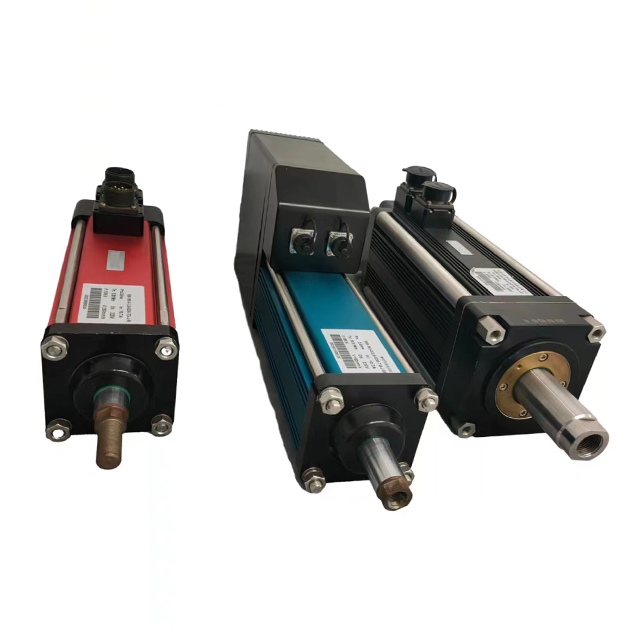
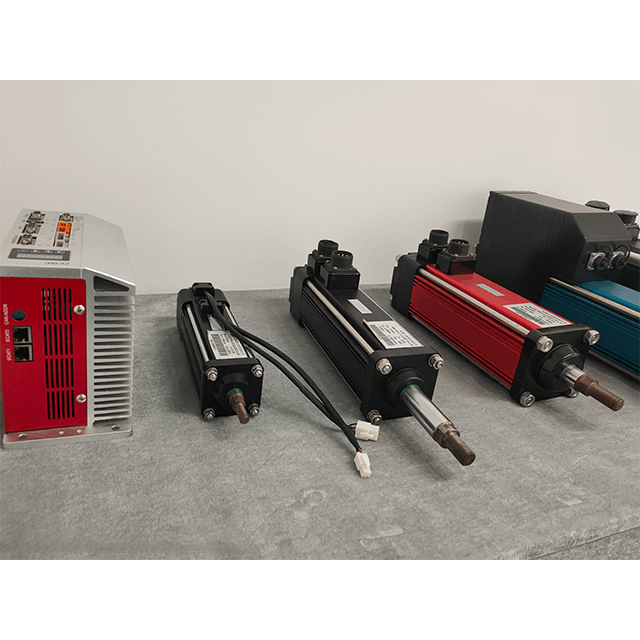
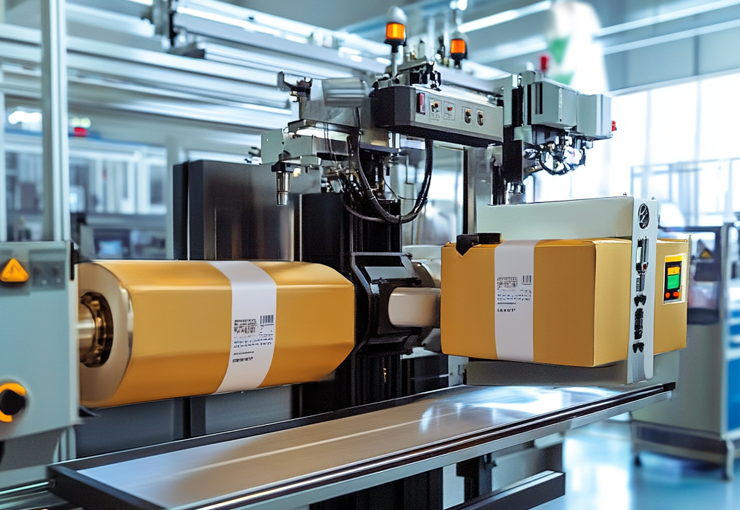
Are you struggling to choose the right servo electric cylinder for your project? Selecting the appropriate cylinder is crucial for optimal performance and efficiency. In this article, we'll explore what servo electric cylinders are, their importance, and how to select the right one for various applications.
Table of Contents
Toggle
Understanding Load Requirements for Servo Electric Cylinders
Types of Loads: Static, Dynamic, and Impact Loads
When selecting a servo electric cylinder, understanding the load type is crucial. Loads can be categorized into three primary types: static, dynamic, and impact.
Static Loads: These are stationary weights that do not change over time. Examples include press-fitting and clamping applications. The cylinder must be able to support the weight without any movement.
Dynamic Loads: These loads involve movement, such as lifting or reciprocating actions. The servo cylinder must handle not only the weight but also the forces generated during motion.
Impact Loads: These occur during rapid starts and stops, such as in stamping applications. The cylinder must be robust enough to withstand sudden forces that can cause significant stress.
Calculating Required Thrust
Calculating the required thrust for a servo electric cylinder is essential for proper selection. The thrust must account for several factors:
Load Weight: The weight of the object being moved.
Frictional Resistance: The resistance encountered due to moving parts or surfaces.
Acceleration Requirements: The speed at which the load needs to be moved.
A general recommendation is to select a thrust that is at least 20% to 50% greater than the actual calculated thrust. This safety margin helps accommodate unexpected conditions and ensures reliable operation.
Safety Factors in Load Calculations
Safety factors play a critical role in ensuring the performance and longevity of servo electric cylinders. Here’s how to approach safety factors in load calculations:
Static Applications: For static loads, a safety factor of 1.2 to 1.5 is typically sufficient. This ensures that the cylinder can handle the load without risk of failure.
Dynamic Applications: For dynamic or impact loads, a higher safety factor is advisable, often ranging from 1.4 to 1.5. This accounts for the additional stresses experienced during movement and sudden stops.
Environmental Considerations: Factors such as temperature, humidity, and potential contamination must also be considered. These can affect the material properties and overall performance of the cylinder.
By carefully evaluating these parameters, you can select a servo electric cylinder that meets your application needs while ensuring safety and reliability.
Tip: Always calculate the required thrust considering load weight, friction, and acceleration to ensure your servo electric cylinder operates efficiently and safely.
Determining Stroke Length for Servo Electric Cylinders
Importance of Stroke Length in Design
Stroke length is a critical design parameter for servo electric cylinders. It refers to the maximum distance the cylinder can extend or retract. This measurement is essential because it directly influences the overall size of the machinery and the design of the system. A precise stroke length ensures that the equipment can operate effectively without mechanical interference or limitations.
Choosing the right stroke length is vital for achieving optimal performance. If the stroke length is too short, the cylinder may not reach the necessary positions for operation, leading to inefficiencies or failures. Conversely, a stroke length that is excessively long may result in increased costs and space requirements without providing any additional benefits. Thus, understanding the specific needs of your application is crucial.
Guidelines for Short, Medium, and Long Strokes
When selecting a servo electric cylinder, consider the following guidelines based on stroke length:
Short Stroke (≤ 200 mm): Ideal for applications requiring high precision and quick response. These cylinders are often used in assembly tasks where small, controlled movements are necessary. For example, in robotic arms or automated assembly lines, short strokes can enhance speed and accuracy.
Medium Stroke (200 - 1000 mm): Suitable for general automation scenarios. These cylinders can handle a variety of tasks, such as material handling and packaging. They provide a balance between speed and thrust, making them versatile for many applications.
Long Stroke (≥ 1000 mm): Recommended for applications involving significant movement distances, such as in large machinery or conveyor systems. For long strokes, it's essential to consider the stability of the screw mechanism. Implementing guiding structures may be necessary to prevent vibrations and ensure smooth operation.
Impact of Stroke Length on Stability and Performance
The stroke length significantly affects both stability and performance of the servo electric cylinder. Longer strokes can introduce challenges, such as increased deflection and reduced stiffness, which can lead to instability during operation. To mitigate these issues, consider the following:
Guiding Mechanisms: For longer strokes, adding guiding systems can help maintain alignment and stability. This prevents unwanted lateral movements that could affect precision.
Critical Speed Considerations: As stroke length increases, the critical speed of the system may also rise. Ensure that the cylinder can operate efficiently without exceeding these critical limits, which could lead to mechanical failures or reduced accuracy.
Load Balancing: When designing systems with long strokes, it's crucial to balance the loads effectively. Uneven weight distribution can exacerbate stability issues, leading to poor performance.
In summary, selecting the appropriate stroke length is vital for the effective operation of servo electric cylinders. By understanding the specific requirements of your application and following the outlined guidelines, you can enhance the performance and reliability of your systems.
Tip: Always account for stroke length in your design to ensure optimal performance and prevent mechanical issues in your servo electric cylinder applications.
Speed Considerations in Servo Electric Cylinder Selection
Defining Maximum Speed and Acceleration
When selecting a servo electric cylinder, speed and acceleration are key factors that affect performance. Maximum speed refers to how fast the cylinder can move, while acceleration indicates how quickly it can reach that speed.
To define these parameters, consider the application's requirements. For instance, an assembly line may need high-speed movement to maintain production rates. Conversely, applications requiring precision, like CNC machining, may prioritize controlled acceleration over speed.
To calculate maximum speed, you can use the formula:
Speed=Lead×Motor Speed
Where:
Lead is the distance the cylinder moves per revolution of the screw.
Motor Speed is typically measured in revolutions per minute (RPM).
Acceleration is equally important because it affects how quickly the cylinder can respond to commands. A high acceleration rate allows for rapid movement changes, which is essential in applications like robotic arms or automated material handling systems.
Balancing Speed and Thrust Requirements
When choosing a servo electric cylinder, balancing speed and thrust is crucial. High speeds can reduce the available thrust, which is the force the cylinder can exert. This trade-off can impact performance.
High Speed: Ideal for applications requiring quick movements but may compromise thrust. For example, in packaging operations, fast speeds are essential, but the loads may be lighter.
High Thrust: Necessary for heavy lifting applications, like in automotive assembly, where the speed may need to be reduced to maintain the required force.
To achieve the best results, consider the specific needs of your application. Sometimes, a compromise is necessary. For instance, if a cylinder needs to lift a heavy load quickly, it may require a larger motor or a gearbox to maintain both speed and thrust.
Typical Speed Ranges for Different Applications
Understanding the typical speed ranges for various applications can help guide your selection process. Here are some common examples:
Material Handling: Speeds typically range from 200 to 500 mm/s. This range is common in conveyor systems where quick movement is essential.
Robotics: Speeds can vary widely, often between 100 to 1000 mm/s, depending on the task. Applications requiring precision may operate at lower speeds to ensure accuracy.
CNC Machining: These systems often require lower speeds, around 50 to 300 mm/s, focusing on precision rather than speed.
By aligning the speed and thrust requirements with the specific application, you can select a servo electric cylinder that meets operational needs effectively.
Tip: Always consider the application’s speed and thrust requirements together; balancing these factors ensures optimal performance and efficiency in your servo electric cylinder selection.
Precision and Accuracy in Servo Electric Cylinders
Factors Influencing Precision: Control Mode and Sensor Type
Precision and accuracy are vital when selecting servo electric cylinders. These factors impact how effectively the cylinder performs its tasks. Two primary influences on precision are the control mode and the type of sensors used.
Control Mode: The control mode refers to how the system regulates the position, speed, and torque of the cylinder. There are three main types of control modes:
Open Loop: In this mode, the system sends commands to the cylinder without feedback on its actual position. This can lead to inaccuracies, especially in applications requiring high precision.
Closed Loop: This mode uses feedback from sensors to adjust the cylinder's actions. It continuously monitors performance, ensuring that the cylinder operates within desired parameters. Closed-loop systems provide higher accuracy and are ideal for applications like CNC machining and robotics.
Semi-closed Loop: This mode combines elements of both open and closed loop systems. It can be a cost-effective solution for applications where absolute precision is less critical.
Sensor Type: The sensors used in servo electric cylinders also play a significant role in determining precision. Common types include:
Encoders: These devices track the position of the cylinder. They can be incremental or absolute, with absolute encoders providing precise location data even after power loss.
Optical Sensors: These sensors use light to detect position and movement. They are highly accurate but can be sensitive to dust and environmental conditions.
Magnetic Sensors: These are less affected by environmental factors and can provide reliable performance in harsh conditions, making them suitable for many industrial applications.
Comparison of Open Loop vs. Closed Loop Systems
When comparing open loop and closed loop systems, the following distinctions are essential:
Accuracy: Closed loop systems offer superior accuracy due to continuous feedback. Open loop systems may lead to position drift over time.
Cost: Open loop systems are generally cheaper, as they require fewer components. However, the potential for inaccuracy may lead to higher costs in the long run due to increased maintenance or material waste.
Complexity: Closed loop systems are more complex, requiring additional components for feedback and control. This complexity can increase installation time and costs.
Recommended Accuracy Levels for Various Applications
Accuracy requirements can vary significantly depending on the application. Here are some typical recommendations:
General Automation: ±0.02 mm is usually sufficient for tasks like material handling or assembly.
Precision Machining: For CNC applications, aiming for ±0.005 mm is advisable to ensure high-quality output.
Robotics: Multi-axis robotic systems may require a balance of precision and speed, often needing accuracy within ±0.01 mm.
In summary, selecting the right servo electric cylinder involves understanding the factors that influence precision and accuracy. By considering the control mode and sensor type, and knowing the accuracy requirements for your specific application, you can make informed decisions that enhance performance and reliability.
Tip: Always choose closed loop systems for applications requiring high precision to ensure consistent performance and accuracy.
Installation Methods for Servo Electric Cylinders
Common Installation Configurations
When selecting a servo electric cylinder, the installation method is crucial. The way a cylinder is integrated into a system can significantly impact performance and overall functionality. Here are some common configurations:
Front Flange Mounting: This method attaches the cylinder directly to the machine frame. It is compact and ideal for applications requiring linear thrust. This configuration allows for easy access and maintenance.
Rear Ear Axis Installation: This setup is suitable for swinging operation conditions, where the cylinder needs to pivot. It provides stability and is often used in robotic arms and automated machinery.
Base Installation: This configuration offers excellent stability, especially for heavy-duty applications. It involves mounting the cylinder to a solid base, ensuring it can handle significant loads without wobbling.
Side Trunnion and Side Flange Mounting: These configurations are useful in applications where space is limited. They allow for flexible positioning and can accommodate various angles of operation.
Understanding these configurations helps in selecting the right installation method based on the specific requirements of your application.
Impact of Installation on System Integration
The installation method chosen can affect how well the servo electric cylinder integrates into the overall system. For example:
Alignment: Proper alignment is essential for optimal performance. Misalignment can lead to increased wear and tear, reduced efficiency, and potential failure. Ensure that the cylinder is installed correctly to avoid these issues.
Load Distribution: The way a cylinder is mounted influences load distribution across the system. An improper installation can lead to uneven load distribution, which may cause instability or mechanical failure.
Accessibility for Maintenance: Some installation methods provide better access for maintenance. Consider how often maintenance will be required and choose an installation configuration that allows easy access to the cylinder.
Space Constraints: In tightly packed environments, the installation method may need to be adjusted to fit available space. Compact configurations can help save space while maintaining functionality.
Considerations for Space and Load Balancing
When installing a servo electric cylinder, it’s essential to consider space and load balancing:
Space Limitations: Measure the available installation area carefully. Ensure there is enough room for the cylinder to operate without interference from surrounding components.
Load Balancing: Proper load balancing is vital for maintaining stability. If the cylinder operates in a multi-axis system, ensure that loads are evenly distributed across all axes to prevent tipping or misalignment.
Guiding Mechanisms: In cases where lateral forces are present, consider using guiding mechanisms. These can help stabilize the cylinder and prevent unwanted movement, ensuring accurate operation.
In conclusion, the installation method for a servo electric cylinder plays a vital role in its performance and reliability. By understanding the various configurations and their impacts on system integration, you can make informed decisions that enhance the efficiency and longevity of your automated systems.
Tip: Always consider the specific application requirements and environmental conditions when selecting an installation method for your servo electric cylinder to ensure optimal performance and reliability.
Environmental Factors Affecting Servo Electric Cylinder Performance
Temperature and Humidity Considerations
When selecting a servo electric cylinder, environmental factors like temperature and humidity play a significant role in performance and longevity. High temperatures can reduce the cylinder's continuous torque capacity. In environments with extreme heat, consider using liquid cooling systems to maintain performance. Conversely, low temperatures can affect material properties, leading to potential failures. It's essential to ensure that the cylinder can operate effectively within the expected temperature range of your application.
Humidity is another critical factor. High humidity can lead to condensation within the cylinder, which may cause corrosion or electrical failures. Therefore, selecting cylinders with adequate sealing and protection against moisture is vital, especially in humid environments. For applications in clean rooms or areas with strict hygiene standards, consider stainless steel components and grease-free designs to prevent contamination.
Protection Against Contamination and Vibration
Contamination from dust, dirt, or chemicals can significantly impact the performance of servo electric cylinders. In industrial settings, it's crucial to choose cylinders designed to withstand these harsh conditions. Look for models with high ingress protection (IP) ratings, ensuring they are sealed against dust and moisture ingress. This protection minimizes wear and prolongs the lifespan of the cylinder.
Vibration is another environmental concern. Excessive vibrations can lead to misalignment and reduce the accuracy of the cylinder's movements. To mitigate this, consider using vibration-resistant designs or incorporating dampening materials in your setup. Additionally, ensuring proper alignment during installation can help maintain performance and reduce wear over time.
Selecting Cylinders for Harsh Environments
For applications in harsh environments, such as mining, outdoor construction, or manufacturing, special considerations are necessary. Choose servo electric cylinders specifically designed for such conditions. These cylinders often feature enhanced seals, robust materials, and protective coatings to resist corrosion and wear.
When operating in extreme temperatures, consider using components rated for those conditions. For example, use lubricants that remain effective at low temperatures or high-performance seals that can withstand thermal expansion.
In environments where exposure to chemicals is a concern, select cylinders made from materials resistant to those chemicals. For instance, some cylinders use anodized aluminum or special coatings to provide additional protection.
In summary, environmental factors such as temperature, humidity, contamination, and vibration significantly influence the performance of servo electric cylinders. By carefully selecting components designed for specific conditions, you can enhance the reliability and longevity of your systems.
Tip: Always check the IP rating and material specifications of servo electric cylinders to ensure they meet the demands of your operating environment for optimal performance and durability.
Conclusion
Choosing the right servo electric cylinder involves understanding load requirements, stroke length, speed, precision, installation methods, and environmental factors. Each aspect is crucial for ensuring optimal performance and reliability. A comprehensive evaluation of these criteria is essential for successful implementation. Always consider specific application needs and environmental conditions. For high-quality servo electric cylinders, Shenzhen Tiger Motion Control Technology offers innovative solutions that enhance efficiency, durability, and performance, ensuring you make the best choice for your systems.
For different automation applications, Tiger Motion provides customized servo electric cylinder solutions with OEM and ODM support. Our team can assist customers with product selection, specification optimization, and application integration to ensure reliable performance. In addition, Tiger Motion products are available with CE and RoHS certifications, meeting international export standards for customers worldwide.
FAQ
Q: What is a Servo Electric Cylinder?
A: A servo electric cylinder is a linear actuator that uses servo motors to provide precise control of motion, speed, and position in various applications.
Q: How do I determine the thrust needed for a Servo Electric Cylinder?
A: To determine thrust, consider the load weight, frictional resistance, and acceleration requirements, ensuring the selected servo electric cylinder has a safety margin of 20% to 50%.
Q: Why should I choose a closed-loop Servo Electric Cylinder?
A: Closed-loop servo electric cylinders offer higher accuracy and reliability due to continuous feedback, making them ideal for applications requiring precise control.
Q: What are the typical costs of Servo Electric Cylinders?
A: The cost of servo electric cylinders varies based on specifications, ranging from a few hundred to several thousand dollars, depending on features and performance levels.
Q: How can environmental factors affect my Servo Electric Cylinder?
A: Environmental factors such as temperature, humidity, and contamination can impact the performance and longevity of a servo electric cylinder, requiring careful selection for harsh conditions.