Have you ever wondered how robots move with such precision? The secret lies in servo motors and servo drives for robotics. Precise motion control is essential for robots to perform complex tasks accurately.
In this post, you’ll learn how servo drives enhance robotic performance. We’ll explore their key roles, benefits, and practical applications in robotics.
Understanding Servo Motors: Core Components and Functionality
Servo motors are a cornerstone in robotics servo systems, enabling precise control over movement and positioning. Let’s break down their core components and how they function to deliver such accuracy.
Basic Structure and Working Principle of Servo Motors
At their core, servo motors consist of three main parts:
Motor: Usually a DC or brushless motor that generates motion.
Feedback Device: Often a potentiometer or encoder that monitors the motor’s position.
Control Circuit: Processes input signals and adjusts motor movement accordingly.
When a command signal is sent, the servo motor moves to the desired position. The feedback device continuously reports the current position back to the control circuit. This closed-loop system ensures the motor corrects any deviation, maintaining precise control.
Role of Feedback Mechanisms in Servo Motors
Feedback mechanisms are crucial in robotics servo motor control. They provide real-time data on position, speed, and torque. This data allows the servo drive to adjust power output dynamically, improving accuracy and responsiveness. For example, in robotic arms, this feedback ensures smooth, precise movements essential for tasks like assembly or surgery.
Types of Servo Motors Used in Robotics
There are several servo motor types robotics engineers commonly use:
Standard Servo Motors: Typically rotate up to 180 degrees, ideal for controlled angular motion.
Continuous Rotation Servos: Can rotate 360 degrees or more, used for wheels or continuous motion applications.
Industrial Servo Motors: High-performance motors designed for heavy-duty robotics and automation.
Each type offers unique advantages depending on the application’s torque, speed, and precision needs.
Differences Between Standard and Continuous Rotation Servos
Standard servos move to a specific angle and hold that position, perfect for precise joint control. Continuous rotation servos, however, behave more like regular motors, rotating freely in either direction based on control signals. This makes them suitable for mobile robots requiring differential drive or continuous motion.
How Servo Drives Interface with Servo Motors
Servo drives for robotics act as the bridge between the controller and the motor. They receive commands from the robot’s control system and regulate voltage and current to the motor. Advanced servo drives, such as those from Yaskawa (including the Yaskawa MP3300IEC and Yaskawa MV1000), provide sophisticated features like digital communication protocols and error feedback to optimize performance.This interface enables robotics servo systems to achieve high precision and efficiency, essential for complex robotic tasks.
Tip: When selecting servo motors for robotics, prioritize models with integrated feedback systems and compatibility with advanced servo drives like the Yaskawa Sigma 7 catalog to ensure seamless control and reliability.
Why Servo Drives Are Essential in Robotics
Servo drives play a pivotal role in robotics servo motor control by managing the precise movement of servo motors robotics systems. Their importance stems from the ability to deliver closed-loop control, ensuring accuracy and efficiency in robotic applications.
Closed-loop Control for Precision and Accuracy
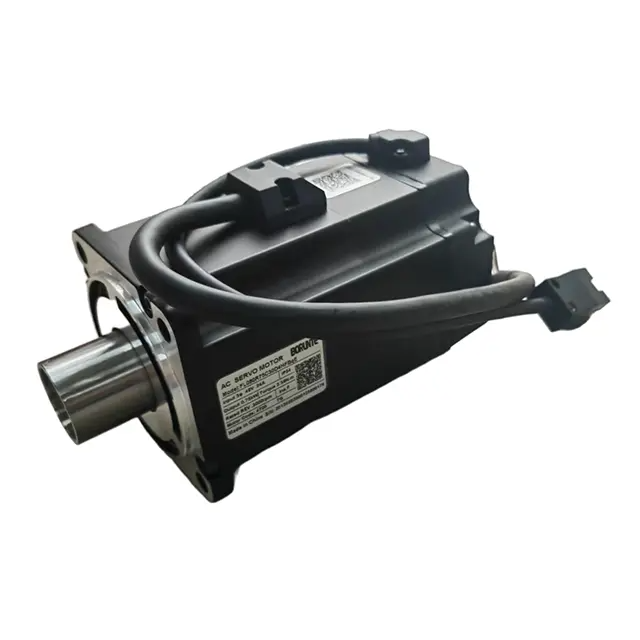
At the heart of servo drives for robotics lies the closed-loop control system. This system continuously monitors the motor’s position, speed, and torque through feedback devices. The servo drive compares the actual output with the desired command and adjusts power accordingly. This dynamic correction minimizes errors, enabling robots to perform delicate tasks like assembly, inspection, and surgery with high precision.
Torque, Speed, and Position Control Benefits
Servo drives regulate torque, speed, and position simultaneously, which is crucial for robotics applications that demand smooth and responsive motion. By controlling these parameters, servo drives ensure that robotic arms and mobile platforms move fluidly without overshoot or lag. This control also allows for rapid acceleration and deceleration, enhancing the robot’s agility and effectiveness.
Energy Efficiency Advantages of Servo Drives
Compared to traditional motor controllers, servo drives for robotics optimize energy consumption by delivering power only as needed. This efficiency is especially beneficial in battery-powered robots or systems requiring long operational times. Energy savings also reduce heat generation, which can extend the lifespan of industrial servo motors robotics systems.
Integration of Servo Drives with Robotic Controllers
Modern robotics servo systems benefit from seamless integration between servo drives and robotic controllers. Drives like the Yaskawa MP3300IEC and Yaskawa MV1000 support advanced communication protocols such as EtherCAT and CANopen, enabling real-time data exchange. This integration allows for synchronized multi-axis control, essential for complex robotic movements and automation tasks.
Enhancing Robot Responsiveness and Smooth Operation
Servo drives enhance responsiveness by quickly processing feedback and adjusting motor commands. This capability results in smooth operation, reducing vibrations and mechanical stress. Smooth motion is vital in applications such as medical robotics, where precise and gentle movements are mandatory.
Comparison with Other Motor Control Solutions
Unlike open-loop systems or simple PWM controllers, servo drives offer superior control due to their feedback mechanisms and programmability. They outperform stepper motors in torque at high speeds and provide better positioning accuracy than brushed DC motors without feedback. This makes servo drives the preferred choice for demanding robotics servo motor applications.
Impact on Overall Robotic System Reliability
By maintaining precise control and reducing mechanical wear, servo drives contribute significantly to the reliability of robotic systems. Their error detection and diagnostic features help prevent failures, ensuring continuous operation in industrial environments. Using advanced servo drives from reputable manufacturers, such as those listed in the Yaskawa Sigma 7 catalog, can further improve system uptime and maintenance efficiency.
Tip: When designing robotics systems, prioritize servo drives that support closed-loop control and advanced communication protocols to maximize precision, efficiency, and reliability.
Key Features of Advanced Servo Drives for Robotics
Advanced servo drives for robotics play a vital role in optimizing the performance of robotics servo systems. These drives offer a range of features that enhance precision, efficiency, and ease of integration, making them indispensable in modern robotic applications.
Communication Protocols: EtherCAT, CANopen, and Others
One of the standout features of advanced servo drives is their support for multiple communication protocols. EtherCAT and CANopen are among the most popular in industrial robotics. EtherCAT offers high-speed, real-time data exchange, ideal for synchronized multi-axis control in robotic arms and assembly lines. CANopen, on the other hand, provides robust and flexible communication suitable for distributed robotics systems and mobile robots.These protocols enable seamless integration of servo drives with robotic controllers, such as the Yaskawa MP3300IEC and Yaskawa MV1000, ensuring precise coordination and control across the entire robotic system.
Digital vs Analog Servo Drives
Servo drives come in two main types: analog and digital. Analog servo drives are traditional and simpler, using continuous voltage signals to control motor performance. Digital servo drives, however, process commands using microprocessors, offering superior programmability and adaptability.Digital drives can store motion sequences and perform complex control algorithms like PID tuning internally. This capability enhances robotics servo motor control by allowing fine-tuned responses to varying load conditions and dynamic environments. Digital drives also provide better diagnostics and error feedback, improving system reliability.
Programmability and Motion Sequence Storage
Modern servo drives for robotics often include onboard memory to store motion sequences and parameters. This feature allows robots to execute predefined tasks with high repeatability and minimal latency. Programmability lets engineers customize motion profiles, acceleration curves, and torque limits to match specific servo motor applications robotics requirements.For example, in industrial automation, a robotic arm can perform complex pick-and-place operations smoothly by relying on preprogrammed sequences stored within the drive, reducing the need for continuous external commands.
Error Detection and Feedback Capabilities
Error detection is critical in maintaining the reliability of robotics servo systems. Advanced servo drives continuously monitor key parameters such as voltage, current, temperature, and position feedback. They can detect anomalies like overloads, overheating, or communication faults and respond accordingly.These drives provide detailed feedback to the controller, enabling proactive maintenance and minimizing downtime. Drives from Yaskawa, including those listed in the Yaskawa Sigma 7 catalog, are known for sophisticated error handling features that enhance system robustness.
Compact Design and Power Density Considerations
Space constraints are common in robotics design. Advanced servo drives feature compact form factors with high power density, allowing them to fit into tight spaces without sacrificing performance. This compactness simplifies integration into robotic arms, mobile robots, and medical devices.High power density also means the drives can deliver substantial torque and speed control while maintaining energy efficiency. This balance is essential for applications requiring both precision and dynamic response.
Tip: When choosing servo drives for robotics, prioritize models supporting digital communication protocols like EtherCAT and CANopen, as well as onboard programmability and advanced error detection, to maximize precision and reliability in your robotics servo motor control systems.
Selecting the Right Servo Drives and Motors for Your Robotics Project
Choosing the right servo drives for robotics projects is crucial to achieving optimal performance. Several factors influence this decision, including torque, speed, size, and precision. Understanding these elements helps you match the servo drive and motor to your robotic application’s specific needs.
Factors to Consider: Torque, Speed, Size, and Precision
Torque: Determine the load your robot must handle. High-torque servo motors robotics systems are essential for heavy lifting or demanding tasks like industrial automation.
Speed: Consider how fast the motor needs to move. Some applications require rapid movements, while others prioritize smooth, controlled motion.
Size: Space constraints often dictate the motor and drive size. Compact servo drives with high power density fit better in tight robotic assemblies.
Precision: Robotics servo motor control demands vary. Surgical robots need ultra-precise positioning, whereas mobile platforms might tolerate less exactness.
Balancing these factors ensures you don’t overspend on unnecessary power or compromise on performance.
Popular Servo Motors for Robotics: Dynamixel and Others
Dynamixel servo motors are popular choices in robotics due to their versatility and advanced features. They offer:
Multiple control modes, including joint (position) and wheel (continuous rotation) modes.
Built-in feedback for position, velocity, load, and temperature.
Error detection and LED indicators for easy troubleshooting.
Ability to chain multiple motors on a single bus, reducing wiring complexity.
Other notable servo motor types robotics engineers use include industrial servo motors robotics from manufacturers like Yaskawa, which provide robust solutions for high-demand environments.
Matching Servo Drives to Motor Specifications
Servo drives for robotics must match the motor’s electrical and mechanical specifications. Key parameters include voltage, current, and feedback type (encoder or resolver). For example, Yaskawa drivers such as the Yaskawa MP3300IEC and Yaskawa MV1000 are designed to work seamlessly with motors listed in the Yaskawa Sigma 7 catalog, ensuring compatibility and maximizing performance.Incorrect pairing can lead to poor control, overheating, or even motor failure.
Cost vs Performance Trade-offs
While high-end servo drives and motors offer superior precision and features, they come at a higher cost. For hobbyist or educational robotics projects, affordable options like Dynamixel XL-320 or AX-12 motors provide excellent value. Industrial projects may justify investment in premium drives and motors due to their reliability and advanced capabilities.Evaluate your project’s requirements carefully to optimize budget and functionality.
Examples of Servo Drives and Motors for Different Robotic Applications
| Application | Recommended Servo Motor Type | Suitable Servo Drive Example | Notes |
| Educational Robots | Dynamixel AX-12 | Basic digital servo drive | Affordable, easy to program |
| Industrial Automation | Yaskawa Sigma 7 industrial servo | Yaskawa MP3300IEC | High torque, precise control |
| Mobile Robots | Continuous rotation servo motors | Compact digital servo drives | Smooth speed control for wheeled platforms |
| Medical Robotics | High-precision standard servo motors | High-end digital servo drives | Ultra-precise positioning and smooth operation |
Tip: When selecting servo drives for robotics, ensure the motor’s torque and speed specifications align with your application, and consider popular options like Dynamixel for easy integration and Yaskawa drives for industrial-grade performance.
Practical Applications of Servo Drives in Robotics
Servo drives for robotics are fundamental components enabling precise and efficient control across a wide variety of robotic applications. Their ability to manage torque, speed, and position with high accuracy makes them indispensable in modern robotics servo systems. Let’s explore key practical uses of servo drives in robotics.
Robotic Arms and Manipulators
Robotic arms rely heavily on servo drives for robotics to achieve smooth, precise movements. Each joint in a robotic arm uses servo motors controlled by servo drives to position the arm accurately. This precision is vital for complex tasks such as assembly, welding, and material handling in industrial automation. The closed-loop control provided by servo drives ensures that the arm maintains exact angles and trajectories, reducing errors and improving productivity.For example, industrial servo motors robotics from manufacturers like Yaskawa, paired with drives such as the Yaskawa MP3300IEC, deliver the responsiveness and torque needed for heavy-duty robotic arms. These systems can handle repetitive tasks with consistent precision, which is crucial in manufacturing environments.
Mobile Robots and Wheeled Platforms
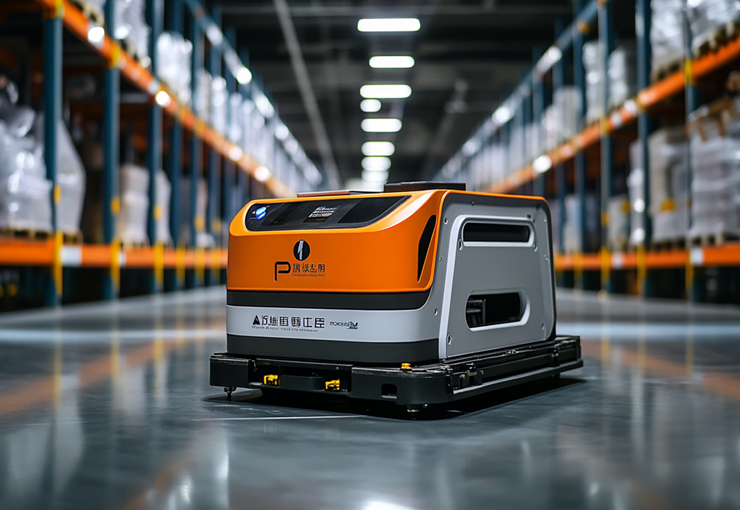
Mobile robots, including automated guided vehicles (AGVs) and wheeled platforms, use continuous rotation servo motors controlled by servo drives for robotics to navigate and maneuver. Servo drives regulate wheel speed and direction, enabling smooth acceleration, deceleration, and turning. This control allows mobile robots to operate safely and efficiently in dynamic environments like warehouses or hospitals.Robotics servo motor control in these applications often involves integrating multiple servo drives to coordinate movement across several wheels. Compact digital servo drives with communication protocols like CANopen or EtherCAT facilitate this multi-axis control, enhancing the robot’s responsiveness and stability.
Industrial Automation and Assembly Lines
In industrial settings, servo drives are critical for automating assembly lines. They control servo motors that operate conveyor belts, pick-and-place machines, and packaging robots. The precise motion control offered by servo drives improves cycle times and product quality by ensuring consistent, repeatable movements.Advanced servo drives, such as those from the Yaskawa Sigma 7 catalog, provide programmability and error detection features that minimize downtime. Their integration with robotic controllers allows for synchronized multi-axis operations, optimizing throughput and reducing human error in production processes.
Medical Robotics and Surgical Devices
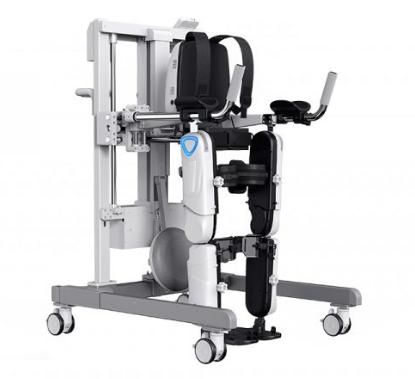
Medical robotics demand the highest levels of precision and reliability. Servo drives for robotics enable surgical robots to perform delicate procedures with exact positioning and smooth motion. The closed-loop control ensures that robotic instruments move gently and accurately, minimizing risk during operations.Servo motor benefits robotics in this field include low vibration, high repeatability, and real-time feedback. These features are essential for applications like minimally invasive surgery, where even minor deviations could have significant consequences. Compact servo drives with high power density fit well within the constrained spaces of medical devices, supporting advanced robotic designs.
Tip: When implementing servo drives for robotics, match the drive and motor type to your application’s precision and torque requirements to maximize efficiency and reliability in your robotic system.
Programming and Controlling Servo Drives in Robotics
Programming and controlling servo drives for robotics is a critical step to unlock the full potential of robotics servo motor control. It involves selecting the right communication interfaces, using effective programming tools, implementing control algorithms, and managing multiple drives in complex systems.
Communication Interfaces and Protocols
Servo drives for robotics typically support various communication protocols to connect with controllers and other devices. Common protocols include:
EtherCAT: Offers high-speed, real-time communication, ideal for synchronized multi-axis control in robotic arms.
CANopen: Provides robust, flexible communication for distributed robotics systems and mobile platforms.
RS-485 and UART: Used in simpler or legacy systems, including many Dynamixel servo motors.
These interfaces allow precise command and feedback exchange, ensuring responsive and accurate control. For example, Yaskawa drivers like the MP3300IEC and MV1000 support EtherCAT and CANopen, enabling seamless integration in industrial robotics servo systems.
Using SDKs and Graphical Programming Tools
Many servo drives come with software development kits (SDKs) and graphical programming environments. These tools simplify programming by providing libraries, example code, and drag-and-drop interfaces. For instance:
Dynamixel SDK: Supports multiple languages and platforms, easing the control of Dynamixel servo motors robotics projects.
Graphical tools: Allow users to configure motion sequences, tune PID parameters, and monitor real-time feedback without deep coding knowledge.
Leveraging these tools accelerates development and helps engineers implement complex motion profiles efficiently.
Implementing PID Control for Motion Accuracy
PID (Proportional-Integral-Derivative) control is fundamental in robotics servo motor control. It adjusts motor commands based on error values between desired and actual positions or speeds. Most advanced servo drives have built-in PID controllers that can be tuned to optimize performance.Proper PID tuning ensures smooth acceleration, minimizes overshoot, and reduces steady-state error. This is essential for applications requiring high servo motor precision robotics, such as surgical robots or precision assembly.
Chaining Multiple Servo Drives for Complex Robots
Complex robots often require multiple servo drives working in concert. Chaining drives on a single communication bus reduces wiring complexity and improves synchronization. For example:
Dynamixel motors can be daisy-chained via a single TTL serial line, each identified by unique IDs.
Industrial servo drives like Yaskawa’s support multi-axis control through EtherCAT networks.
Chaining enables coordinated control of robotic arms, mobile platforms, or multi-joint manipulators, enhancing overall system capability.
Troubleshooting Common Issues with Servo Drives
Despite their sophistication, servo drives can encounter issues such as communication errors, overheating, or unexpected motor behavior. Common troubleshooting steps include:
Checking communication cables and protocol settings.
Monitoring error feedback via drive diagnostics.
Verifying PID tuning parameters.
Ensuring proper power supply and thermal management.
Manufacturers like Yaskawa provide detailed documentation and diagnostic tools to assist in identifying and resolving problems quickly.
Tip: Utilize manufacturer SDKs and graphical tools to simplify servo drive programming, and always implement PID tuning for precise and smooth robotic motion control.
Future Trends in Servo Drives for Robotics
Servo drives for robotics continue to evolve rapidly, driven by the demand for higher precision, efficiency, and smarter control in robotics servo systems. Let’s explore some of the key future trends shaping the next generation of servo drives and how they will impact robotics applications.
Advancements in Miniaturization and Power Efficiency
One major trend is the miniaturization of servo drives without compromising power output. Smaller, lighter drives allow for more compact robotic designs, which is crucial in sectors like medical robotics and mobile robots where space is limited. Advances in semiconductor technology and power electronics enable higher power density, delivering more torque and speed control in a smaller footprint.Power efficiency is also improving, reducing energy consumption and heat generation. This benefits battery-operated robots by extending operational time and lowering cooling requirements. For example, future servo drives inspired by the efficiency standards seen in the Yaskawa Sigma 7 catalog will likely set new benchmarks for performance and compactness.
Integration with AI and Adaptive Control Systems
Artificial intelligence (AI) integration is transforming robotics servo motor control. Future servo drives will incorporate adaptive algorithms that learn from sensor feedback and adjust control parameters in real-time. This means robots can adapt to changing loads, wear, or environmental conditions, improving precision and reliability.Such AI-enabled servo drives will enhance autonomous decision-making in robots, enabling smoother motion and better fault tolerance. This trend aligns with the growing use of advanced Yaskawa drivers like the MP3300IEC, which already offer sophisticated programmable control and communication capabilities.
Wireless and Networked Servo Drive Solutions
Wireless communication is gaining traction in servo drives for robotics, reducing wiring complexity and improving system flexibility. Networked servo drives can communicate over wireless protocols, enabling easier installation and reconfiguration of robotic systems.This is particularly beneficial in large-scale industrial automation or mobile robotics, where cables can limit movement or increase maintenance costs. Wireless servo drives also support remote diagnostics and updates, enhancing uptime and simplifying troubleshooting.
Emerging Applications in Autonomous Systems
As autonomous systems proliferate, servo drives will play an increasingly critical role. Autonomous drones, self-driving vehicles, and service robots require ultra-responsive and precise servo motor control to navigate complex environments safely.Future servo drives will support multi-axis coordination and real-time feedback integration, enabling these robots to perform complex tasks with human-like dexterity. The combination of miniaturization, AI integration, and wireless networking will empower autonomous systems to operate more efficiently and reliably.
Tip: Stay ahead by selecting servo drives for robotics that support AI-based adaptive control and wireless communication, as these features will become essential in next-generation autonomous robotic systems.
Conclusion
Servo drives enhance robotics by providing precise control, energy efficiency, and smooth motion. Selecting the right drive involves matching torque, speed, and communication protocols. Advanced technologies like AI integration and wireless networking improve performance and adaptability. Exploring these innovations unlocks the full potential of robotic systems. Shenzhen Tiger offers reliable servo drive solutions that deliver high precision and efficiency, helping users maximize their robotics applications with cutting-edge technology and expert support.
FAQ
Q: What are servo drives for robotics and how do they enhance servo motor control?
A: Servo drives for robotics are devices that regulate voltage and current to servo motors, enabling precise control of torque, speed, and position. They use feedback from sensors to maintain accuracy, essential in robotics servo motor control for smooth, responsive motion in applications like robotic arms and mobile robots.
Q: Why are industrial servo motors robotics often paired with Yaskawa drivers like the MP3300IEC?
A: Industrial servo motors robotics require reliable, high-performance drives. Yaskawa drivers such as the MP3300IEC offer advanced communication protocols and error detection, ensuring precise, efficient control. These features improve system reliability and are listed in the Yaskawa Sigma 7 catalog for compatibility and performance.
Q: How do servo motor benefits robotics impact medical robotics applications?
A: Servo motor benefits robotics include high precision, low vibration, and smooth operation, crucial for medical robotics. Servo drives for robotics provide closed-loop control that enables delicate, accurate movements in surgical devices, enhancing safety and effectiveness.
Q: What types of servo motors robotics engineers commonly use, and how do servo drives fit in?
A: Common types include standard servos, continuous rotation servos, and industrial servo motors robotics. Servo drives for robotics interface with these motors to provide closed-loop control, adjusting power based on feedback for precise positioning and speed control tailored to each motor type.
Q: How do servo drives for robotics compare to other motor control solutions?
A: Servo drives for robotics offer superior precision through closed-loop feedback and programmability, outperforming open-loop systems and stepper motors in torque and accuracy. Advanced drives like the Yaskawa MV1000 enable smooth, energy-efficient operation essential for complex robotics servo systems.
Q: What troubleshooting tips apply to servo drives for robotics like those from Yaskawa?
A: Common issues include communication errors and overheating. Troubleshooting involves checking cables, verifying protocol settings, monitoring error feedback, and tuning PID parameters. Yaskawa drives provide diagnostic tools and documentation to assist in resolving these problems efficiently.


